Nutrition is at the heart of overall health and wellbeing. What we eat directly affects how our body functions, how we feel, and how efficiently we detoxify. The right balance of macronutrients and micronutrients helps the body repair itself, fight off illness, and stay energetic.
In this guide, we’ll explore the essential components of nutrition, from the importance of whole foods to the benefits of balanced eating. We’ll cover everything from basic food groups to more advanced nutrition concepts, such as the role of vitamins, minerals, and antioxidants in detoxification and weight management. Learn about the best foods to include in your diet and practical tips for maintaining a well-rounded nutrition plan that supports your long-term health.
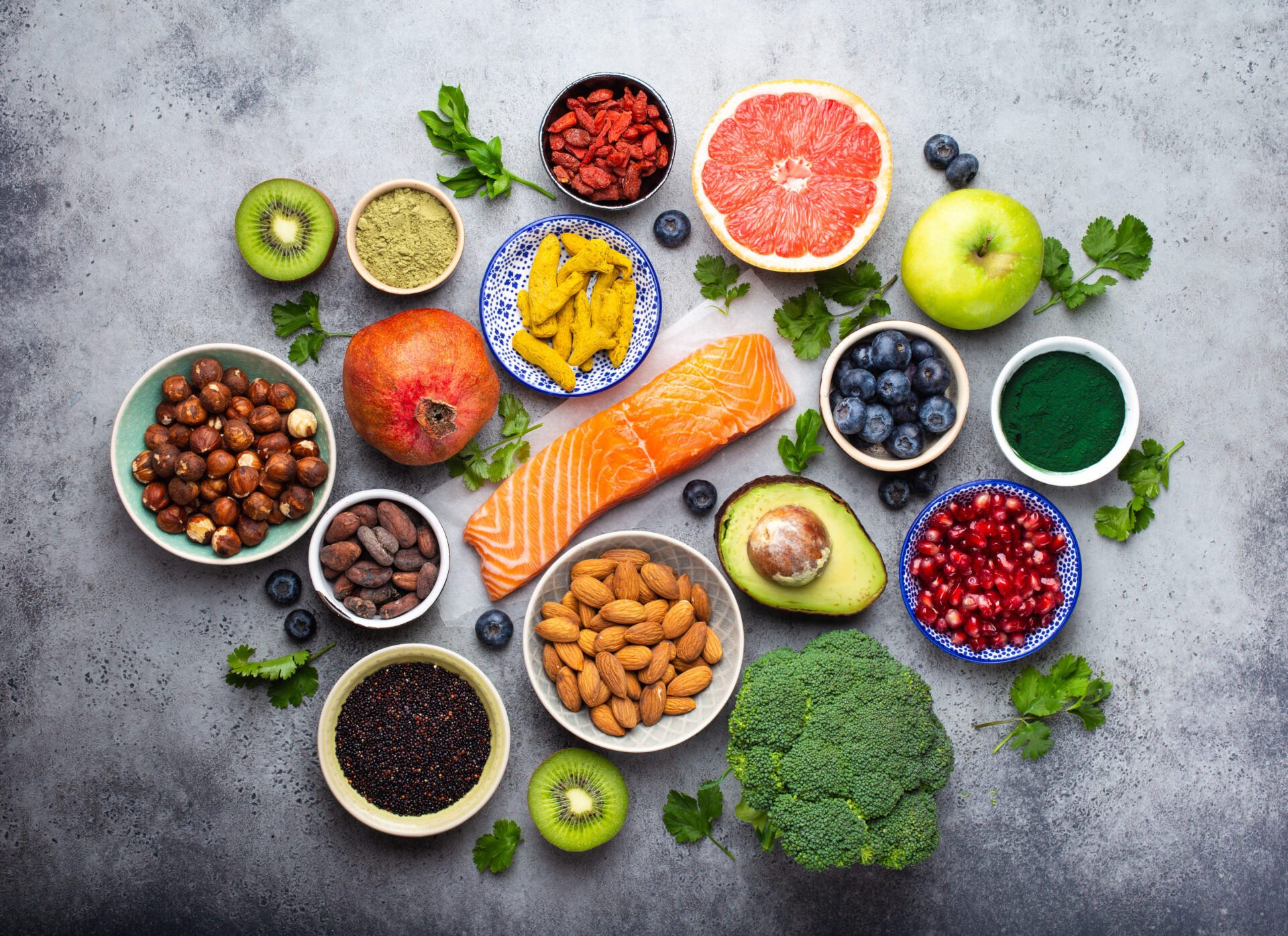
What is Nutrition and Why is it Important for Your Wellbeing?
Nutrition is the process of providing the body with the essential nutrients it needs to function optimally. This includes macronutrients like proteins, fats, and carbohydrates, as well as micronutrients such as vitamins and minerals. These nutrients are necessary for energy production, immune function, tissue repair, and supporting the body’s detoxification processes.
A well-balanced diet fuels the body’s natural processes, helping it to perform vital functions like digestion, detoxification, and immune defence. Without proper nutrition, the body may become prone to fatigue, illness, poor digestion, and slow recovery. Healthy eating habits are crucial to achieving and maintaining physical and mental wellbeing.
How Does Nutrition Impact Detoxification?
The foods you eat play a key role in supporting the body’s natural detox systems. Nutrient-dense foods like fruits, vegetables, whole grains, and lean proteins provide the vitamins, minerals, and antioxidants necessary for efficient detoxification. Specific nutrients, such as glutathione (found in cruciferous vegetables) and fibre (found in whole grains), help the body eliminate toxins through the liver, kidneys, and digestive system.
Additionally, good hydration supports the kidneys’ ability to filter out waste, while antioxidants fight free radicals, helping to protect the body from oxidative stress. By prioritising foods that support the detox process, you’re not only improving your body’s ability to cleanse itself but also boosting overall health.
The Role of Macronutrients in a Balanced Diet
Macronutrients are the nutrients that provide energy for the body. There are three main types: carbohydrates, proteins, and fats. Each macronutrient plays a unique role in maintaining health and supporting detoxification.
Carbohydrates: Carbs are the body’s primary source of energy. Opt for complex carbohydrates like whole grains, vegetables, and fruits, which provide fibre and essential nutrients. Avoid refined sugars and processed carbs, which can lead to inflammation and disrupt detoxification.
Proteins: Proteins are essential for tissue repair, immune function, and muscle maintenance. Lean proteins from sources like chicken, fish, legumes, and plant-based options provide amino acids that help the body regenerate and detoxify.
Fats: Healthy fats, such as those from avocados, nuts, seeds, and olive oil, are vital for brain function, cell structure, and absorbing fat-soluble vitamins. They also support the body’s ability to absorb antioxidants, which protect the body during detoxification.
A balanced diet, rich in these macronutrients, ensures that your body gets the right amount of energy and nutrients to support its natural functions.
Micronutrients: Vitamins and Minerals for Optimal Health
Micronutrients, though needed in smaller amounts, are crucial for overall health. Vitamins and minerals support a range of body functions, including immune response, energy production, and detoxification.
Vitamins: Many vitamins, such as Vitamin C and Vitamin E, act as powerful antioxidants, helping the body fight oxidative stress. Vitamin A is vital for skin health, and Vitamin D is necessary for immune function. Vitamins B1, B6, and B12 support metabolism and energy production.
Minerals: Minerals like magnesium, zinc, and selenium are vital for enzymatic reactions in the body, supporting immune function, metabolism, and detox pathways. Magnesium also helps relax muscles and supports the nervous system, which is essential for stress management.
Incorporating a variety of nutrient-dense foods rich in vitamins and minerals ensures your body has the tools it needs to function properly and stay healthy.
The Best Foods for Supporting Detox and Overall Health
Certain foods have been shown to support detoxification and overall wellness. These nutrient-dense options help your body cleanse, repair, and stay healthy.
Leafy greens (spinach, kale) for fibre, antioxidants, and chlorophyll that support liver detox.
Berries (blueberries, strawberries) for antioxidants and Vitamin C that protect the body’s cells.
Cruciferous vegetables (broccoli, cauliflower, Brussels sprouts) for detox enzymes that support liver function.
Garlic for its sulfur compounds that activate liver enzymes involved in detoxification.
Citrus fruits (lemons, oranges) for Vitamin C and detox-supporting compounds.
Nuts and seeds for healthy fats, magnesium, and Vitamin E that protect the liver and support overall health.
Including these foods in your diet will give your body the nutrients it needs to function at its best and support detoxification.
How Can Nutrition Support Weight Management?
Nutrition plays a fundamental role in managing a healthy weight. Balanced eating, with a focus on whole foods, healthy fats, lean proteins, and complex carbohydrates, can help regulate metabolism and energy levels, making it easier to maintain a healthy weight.
Additionally, specific foods like high-fibre vegetables, legumes, and lean proteins help control hunger, stabilise blood sugar levels, and prevent overeating. A nutrition plan focused on nutrient-dense, low-calorie foods supports sustainable weight loss, rather than relying on extreme diets or quick fixes.
Healthy Eating Habits for Long-Term Wellbeing
Adopting sustainable, long-term healthy eating habits is essential for maintaining good nutrition and overall wellbeing. This includes:
Eating regular, balanced meals to maintain stable blood sugar levels.
Prioritising whole, nutrient-dense foods over processed options.
Staying hydrated to support digestion and detoxification.
Practicing mindful eating by focusing on hunger cues and avoiding overeating.
When you make balanced eating a daily habit, it becomes easier to maintain good health, support detoxification, and achieve long-term wellness goals.
.
How to Build a Nutrition Plan That Works for You
Creating a nutrition plan tailored to your unique needs is an important step towards improving health and supporting detoxification. Start by identifying your health goals (e.g., weight loss, improved digestion, increased energy) and aligning them with nutrient-rich foods.
Here are some tips to build a nutrition plan:
Set realistic goals based on your lifestyle.
Incorporate a variety of foods to ensure you’re getting a broad spectrum of nutrients.
Track your meals to stay on track and make adjustments as needed.
Consult a nutritionist or dietitian for personalised advice, especially if you have specific health concerns.
Supporting Your Body’s Wellbeing Through Nutrition
Good nutrition is the cornerstone of overall health. By prioritising a balanced diet, rich in essential macronutrients, micronutrients, and antioxidants, you can support detoxification, improve energy levels, and achieve your long-term wellbeing goals. Sustainable healthy eating habits can transform your lifestyle, boost your immune system, and enhance your mental and physical health.
Take the first step today by incorporating more nutrient-dense foods into your meals and practising mindful eating. By making nutrition a priority, you’ll give your body the support it needs to function at its best.