Detox and Weight Loss Cleanses Guide
Detox and Weight Loss Cleanses: The Complete Guide to Cleansing and Fat Loss
Detox and weight loss cleanses are often promoted as quick fixes to cleanse the body, shed fat, and improve overall health. While many people turn to detox cleanses for rapid weight loss, it’s important to understand how they work and how they can support long-term health goals. Detox cleanses are designed to support the body’s natural detoxification processes, helping to remove toxins and reset the digestive system.
In this guide, we’ll explore the different types of detox cleanses, how they can support weight loss, and whether they are a healthy, sustainable approach to fat loss. We’ll also discuss the best detox programmes, their benefits, and potential drawbacks. By the end of this guide, you’ll have a clearer understanding of how detox cleanses can fit into your overall health and weight management plan.
What Are Detox and Weight Loss Cleanses?
A detox cleanse is a short-term dietary programme designed to eliminate toxins from the body and promote overall health. These cleanses typically focus on eliminating processed foods, refined sugars, alcohol, and other substances that may contribute to toxin build-up.
A weight loss cleanse is similar but specifically aimed at promoting fat loss. These cleanses often focus on reducing calorie intake, improving digestion, and boosting metabolism to help shed excess body fat.
Some common detox and weight loss cleanses include:
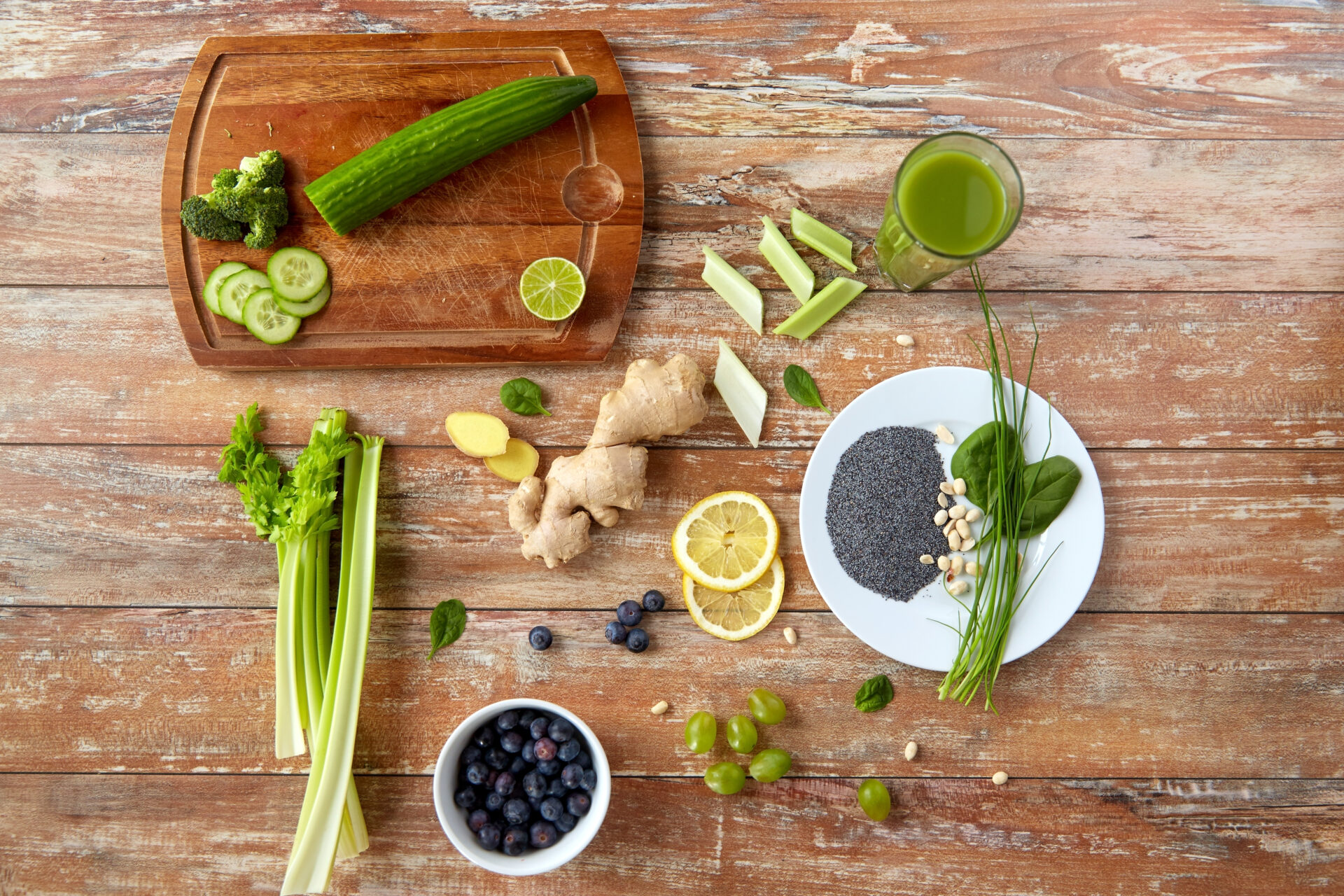
Juice cleanses: Involve consuming only juices made from fruits and vegetables for a set period.
Intermittent fasting: A form of fasting where you alternate between eating and fasting periods.
Smoothie cleanses: Involve drinking nutrient-rich smoothies that provide fibre, vitamins, and minerals.
While these cleanses may promote short-term weight loss, they are generally not designed for long-term results. Sustainable fat loss requires a balanced, healthy diet and regular exercise.
How Detox Cleanses Support Weight Loss
Detox cleanses support weight loss by helping the body eliminate excess water, waste, and toxins. Many detox programmes encourage a reduction in calorie intake, which can result in temporary weight loss. They also focus on nutrient-dense foods that support metabolism and improve digestion, which can further contribute to fat loss.
Additionally, detox cleanses often focus on hydrating the body, improving liver function, and increasing fibre intake, all of which help support the body’s natural fat-burning processes. However, it’s important to remember that detox cleanses are not a sustainable solution for long-term weight loss. A balanced diet and regular exercise are essential for maintaining healthy body fat levels.
Different Types of Detox and Weight Loss Cleanses
There are several types of detox and weight loss cleanses, each with its own unique approach. Some of the most popular cleanses include:
1. Juice Cleanse
A juice cleanse typically involves consuming only fresh fruit and vegetable juices for a period of 3 to 7 days. Juice cleanses provide the body with a nutrient boost while eliminating solid food to give the digestive system a break. While juice cleanses can lead to rapid weight loss, they are not sustainable for long-term fat loss and should be used in moderation.
2. Intermittent Fasting
Intermittent fasting involves alternating between periods of fasting (no food) and eating. The most common fasting schedules are 16/8 (fast for 16 hours and eat within an 8-hour window) or 5:2 (eat normally for five days, and restrict calories for two days). Intermittent fasting can help reduce calorie intake and improve fat-burning processes by promoting insulin sensitivity and metabolism.
3. Smoothie Cleanse
A smoothie cleanse involves drinking nutrient-packed smoothies made from fruits, vegetables, and healthy fats like avocado or coconut milk. These cleanses are higher in fibre and protein than juice cleanses, which can help with hunger control and support muscle maintenance during fat loss. Smoothie cleanses are a more balanced option than juice cleanses but still require careful consideration for long-term sustainability.
4. Water Fast
A water fast involves drinking only water for a set period, typically 24 to 72 hours. While water fasting can lead to rapid weight loss, it is not recommended for extended periods due to the risk of nutrient deficiencies and dehydration. It’s essential to consult a healthcare provider before attempting a water fast.
The Benefits and Drawbacks of Detox and Weight Loss Cleanses
While detox and weight loss cleanses can provide some benefits, they also have limitations. Here are some of the pros and cons of detox cleanses:
Benefits:
Quick weight loss: Detox cleanses can lead to temporary weight loss by reducing water retention and eliminating waste.
Increased energy: Many people report feeling more energetic after a detox cleanse due to improved digestion and hydration.
Digestive reset: Cleanses can provide a break from processed foods and give the digestive system a chance to reset, improving digestion and nutrient absorption.
Drawbacks:
Short-term results: Weight loss from detox cleanses is often temporary and may be attributed to water loss rather than fat loss.
Nutrient deficiencies: Some detox cleanses may lack essential nutrients like protein and fats, leading to deficiencies if followed for too long.
Sustainability: Extreme detox programmes are not sustainable for long-term weight management. The best approach for lasting fat loss is a balanced diet and regular physical activity.
The Role of Hydration in Detox and Weight Loss
Hydration is a critical component of any detox and weight loss programme. Drinking enough water helps flush toxins out of the body, supports digestion, and prevents dehydration. Proper hydration also helps reduce bloating, curb hunger, and improve metabolism, all of which are essential for effective fat loss.
To support detox and weight loss, aim to drink at least 8 cups of water per day, and consider adding hydrating foods like cucumbers, watermelon, and citrus fruits to your diet.
How to Make Detox Cleanses Part of a Sustainable Lifestyle
While detox cleanses can jump-start weight loss and improve digestion, they should not be relied on for long-term fat management. The key to sustainable weight loss is adopting a balanced, nutrient-dense diet, regular physical activity, and healthy lifestyle habits.
Here are some tips to incorporate detox cleanses into a healthy lifestyle:
Use detox cleanses as a short-term reset, not a long-term weight loss solution.
Focus on whole, nutrient-dense foods like fruits, vegetables, lean proteins, and whole grains.
Exercise regularly to support fat-burning and muscle building.
Prioritise hydration to help flush toxins and keep the body functioning optimally.
Practice mindfulness to avoid emotional eating and promote a healthier relationship with food.
Achieving Sustainable Weight Loss Through Detox and Healthy Habits
Detox and weight loss cleanses can provide temporary benefits for fat loss and digestion, but they are not a sustainable solution for long-term weight management. The most effective approach to weight loss involves a combination of balanced nutrition, regular physical activity, and healthy lifestyle habits.
By using detox cleanses as a short-term tool and focusing on long-term healthy habits, you can achieve lasting fat loss and maintain a healthy body composition. Remember, sustainable weight loss requires consistent effort and a commitment to overall wellbeing, rather than relying on extreme cleanses or quick fixes.