Alternative Medicine: Your Complete Guide to Natural Healing
Alternative medicine encompasses a variety of healing practices that are used as a complement to or in place of traditional medical treatments. These therapies focus on holistic approaches to health, often aiming to balance the body, mind, and spirit. Popular practices include herbal medicine, acupuncture, naturopathy, chiropractic care, and homeopathy, all of which can support the body’s natural detoxification processes and overall health.
In this guide, we will explore the most common types of alternative medicine, their potential benefits, and how they contribute to health and wellness. We’ll also discuss how these therapies can complement conventional medicine to create a holistic approach to detox, healing, and long-term wellbeing.
What Is Alternative Medicine?
Alternative medicine refers to a range of medical treatments and therapies that fall outside the realm of conventional Western medicine. These practices typically focus on the idea of holistic healing, meaning that they consider the whole person — body, mind, and spirit — rather than just treating isolated symptoms or conditions.
While alternative medicine is often used in conjunction with conventional medical treatments, it can also be used as a stand-alone approach for people seeking more natural methods of healing and detoxification.
Common Types of Alternative Medicine
There are many forms of alternative medicine, each offering unique approaches to healing and wellness. Some of the most common types include:
1. Herbal Medicine
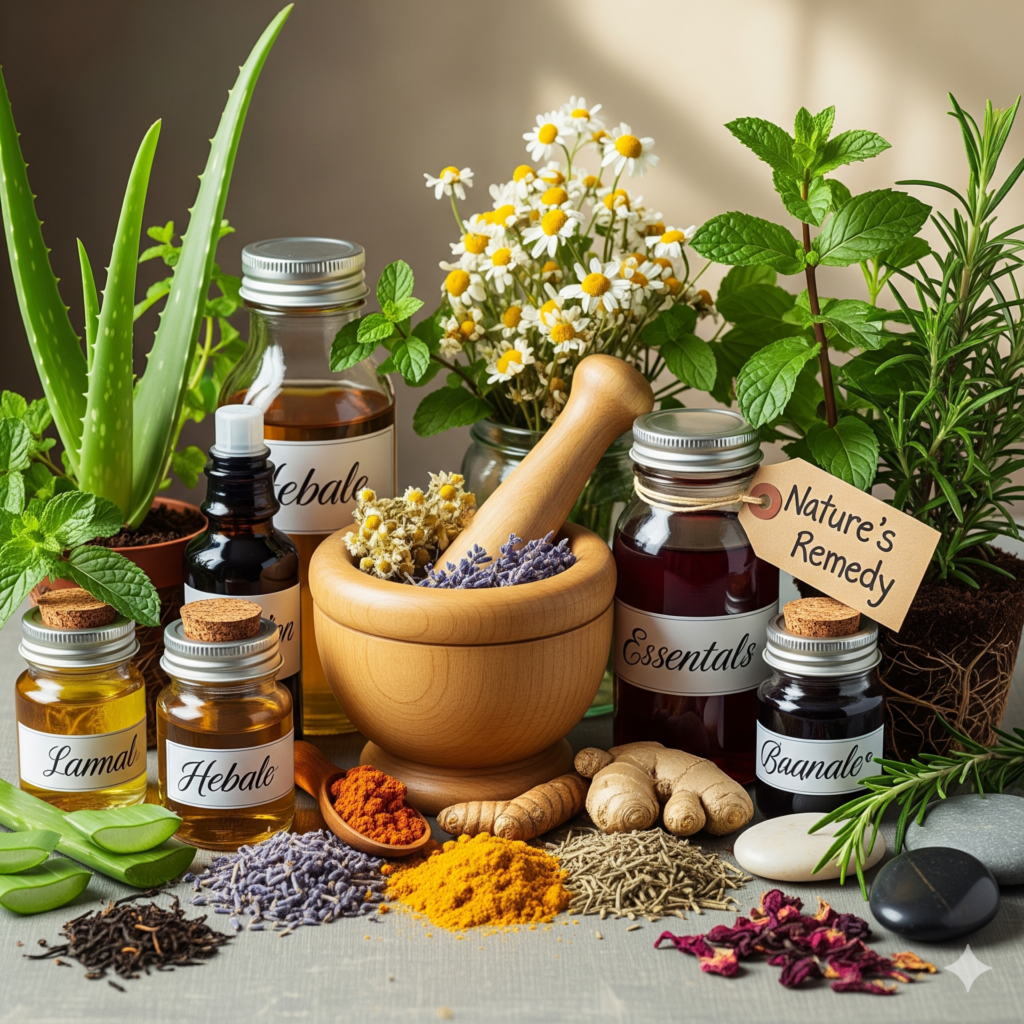
Herbal medicine involves using plants and plant extracts to support health and treat various conditions. Herbs like echinacea, ginseng, ginger, and turmeric have been used for centuries to boost immunity, reduce inflammation, and support the detoxification process.
Herbal medicine can be taken in various forms, including teas, capsules, tinctures, and powders. It is often used as a complementary treatment to support the body’s natural healing processes.
2. Acupuncture
Acupuncture is a traditional Chinese medicine practice that involves inserting very thin needles into specific points on the body to promote healing and balance energy flow, known as Qi. Acupuncture is often used to treat pain, reduce stress, and support detoxification by improving circulation and stimulating the body’s natural detox systems.
3. Naturopathy
Naturopathy is a holistic approach to health that focuses on using natural remedies, including herbs, nutrition, and lifestyle changes, to promote wellness and treat illness. Naturopaths believe in the body’s inherent ability to heal itself, and they use techniques like dietary modifications, herbal medicine, and hydrotherapy to support the body’s natural detoxification and healing processes.
4. Chiropractic Care
Chiropractic care focuses on the relationship between the spine and the nervous system. Chiropractors use manual adjustments and manipulation to align the spine and improve the function of the nervous system. Chiropractic care can support overall health by improving posture, reducing pain, and promoting better circulation, which in turn supports detoxification.
5. Homeopathy
Homeopathy is a system of medicine based on the principle of “like cures like.” Homeopathic remedies are made from highly diluted substances that, in larger doses, would cause the symptoms of the condition being treated. Homeopathy aims to stimulate the body’s own healing abilities to restore balance and health.
How Alternative Medicine Supports Detoxification
Many forms of alternative medicine are used to enhance the body’s natural detoxification processes. Here are some ways alternative therapies support detox:
-
Herbal Remedies: Certain herbs, like dandelion root and milk thistle, are known for their liver-supporting and detoxifying properties.
-
Acupuncture: Acupuncture helps to improve the flow of Qi, which can stimulate detoxification and enhance the body’s natural waste elimination processes.
-
Naturopathy: Naturopathic treatments often focus on liver detox through dietary changes, herbs, and lifestyle modifications that promote natural cleansing.
-
Chiropractic Care: Chiropractic adjustments can help improve circulation, reduce inflammation, and support the body’s ability to eliminate toxins effectively.
-
Homeopathy: Homeopathic remedies aim to stimulate the body’s healing abilities, which can support detoxification at the cellular level.
By integrating these therapies into a healthy lifestyle, you can support your body’s natural detoxification processes and improve overall health.
Benefits of Alternative Medicine
Alternative medicine offers several potential benefits, including:
-
Holistic approach: Alternative therapies treat the whole person, focusing on physical, mental, and emotional health.
-
Fewer side effects: Many natural therapies are considered gentler on the body and have fewer side effects compared to conventional treatments.
-
Prevention and wellness: Alternative medicine often focuses on prevention and wellness, helping to maintain health and avoid illness before it occurs.
-
Personalised treatment: Alternative medicine practitioners often take a more individualized approach to treatment, tailoring therapies to the person’s unique needs.
While these therapies may not replace conventional medicine, they can provide valuable support in maintaining long-term health and wellness.
When to Seek Professional Advice for Alternative Medicine
While alternative medicine can be a powerful tool for improving health, it’s important to consult with a healthcare provider before starting any new therapy. Some alternative treatments may interact with prescription medications or have contraindications for certain conditions.
It’s important to:
-
Consult with a healthcare professional before beginning any alternative treatment, especially if you are pregnant, nursing, or taking prescription medications.
-
Choose qualified practitioners: Make sure to see a licensed practitioner who has proper training and experience in the specific therapy you’re considering.
-
Monitor your health: Pay attention to any changes in your health and report them to your healthcare provider.
Integrating Alternative Medicine for Holistic Health
Alternative medicine offers a holistic approach to health that can complement conventional medical treatments. Whether you’re looking to improve detoxification, reduce stress, or support overall wellbeing, alternative therapies like herbal medicine, acupuncture, and chiropractic care can provide valuable benefits.
By integrating alternative medicine into your overall health plan, you can take a more balanced, natural approach to your wellness. As always, make sure to consult with a healthcare provider to ensure that these treatments are safe and appropriate for your individual needs.