Fitness Nutrition Guide
Fitness Nutrition: Your Complete Guide to Fueling Performance and Recovery
Whether you’re an elite athlete or just starting your fitness journey, proper nutrition is essential for supporting your performance, recovery, and overall health. Fitness nutrition goes beyond just eating healthy—it involves understanding the right balance of macronutrients, micronutrients, and hydration that fuel your workouts and help your body recover.
In this guide, we will explore the role of nutrition in fitness, including the best foods to eat before, during, and after exercise, the importance of hydration, and the role of supplements in supporting performance. Whether you’re looking to build muscle, improve endurance, or recover faster, this guide will provide you with the information you need to optimise your fitness nutrition and achieve your goals.
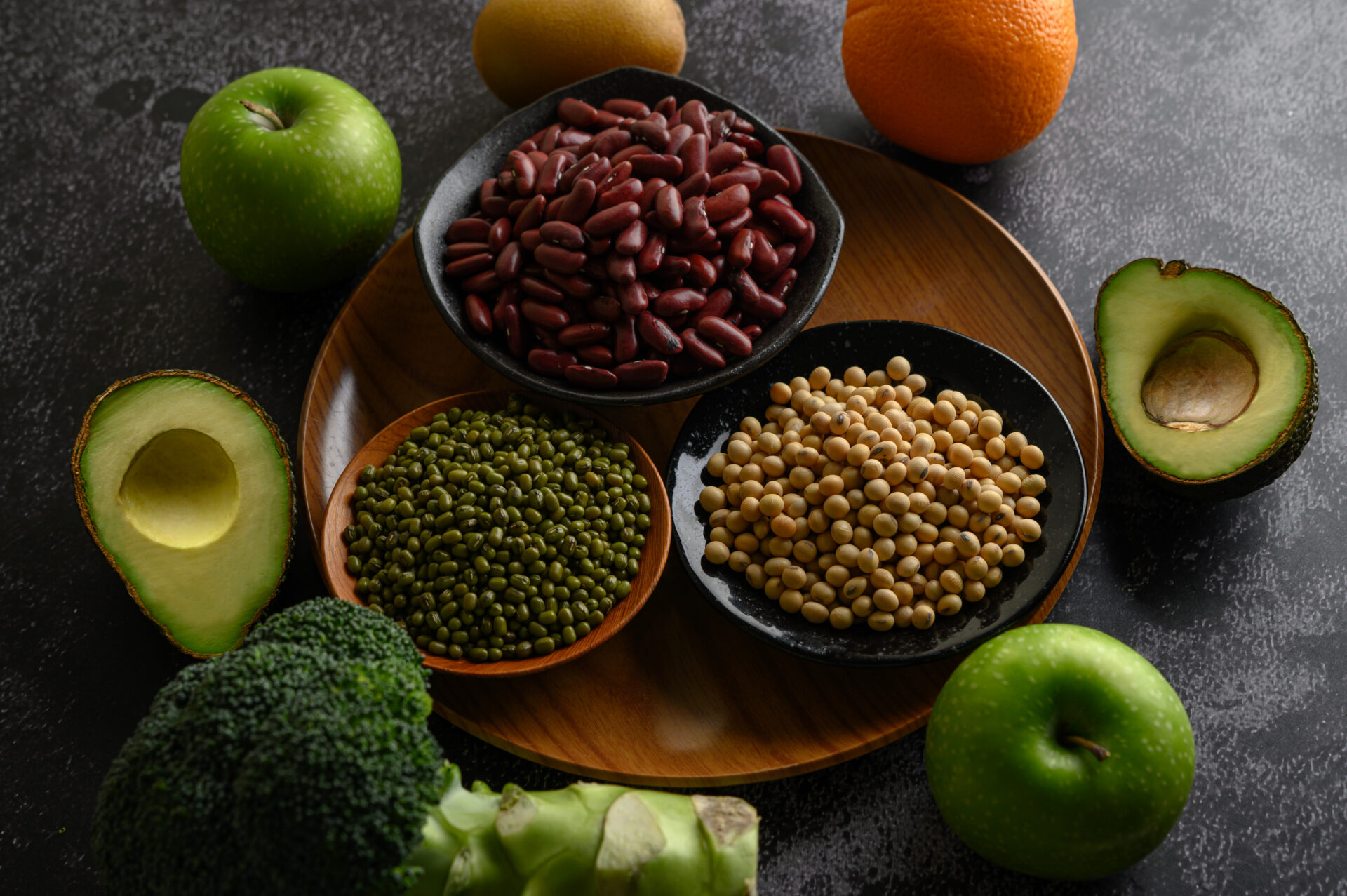
What Is Fitness Nutrition?
Fitness nutrition refers to the dietary practices and principles that support physical activity and athletic performance. Unlike general nutrition, fitness nutrition focuses specifically on the nutritional needs of active individuals, ensuring they have the energy, strength, and recovery support needed to perform at their best.
The goal of fitness nutrition is to fuel the body for optimal performance, enhance muscle recovery, and promote overall health. By focusing on the right balance of macronutrients (proteins, fats, carbohydrates) and micronutrients (vitamins and minerals), you can improve your workouts and achieve your fitness goals.
The Role of Macronutrients in Fitness Nutrition
Macronutrients—proteins, carbohydrates, and fats—are the main components of your diet that provide energy and support muscle repair, endurance, and overall performance. Here’s how each macronutrient plays a role in fitness nutrition:
1. Proteins
Protein is essential for muscle growth and repair. When you exercise, your muscles undergo stress and microscopic damage, and protein helps rebuild and strengthen them. Active individuals, particularly those involved in strength training, need more protein to support muscle recovery and growth.
Good sources of protein include lean meats (chicken, turkey), fish, eggs, dairy, beans, legumes, and plant-based proteins like tofu and tempeh.
2. Carbohydrates
Carbohydrates are the body’s primary source of energy during exercise. When you eat carbs, your body converts them into glucose, which is used by muscles for fuel during physical activity. The more intense and prolonged the exercise, the more carbohydrates your body needs.
Complex carbs like whole grains, vegetables, and fruits provide sustained energy and are better than refined sugars, which can lead to energy crashes. Simple carbs (like fruit) are also useful immediately after exercise to quickly replenish glycogen stores.
3. Fats
Fats are important for overall health and serve as a secondary energy source during long-duration, lower-intensity exercise. Healthy fats help reduce inflammation and support joint and brain health. Omega-3 fatty acids, found in fish and flaxseed, are especially beneficial for reducing post-exercise inflammation and improving recovery.
Sources of healthy fats include avocados, nuts, seeds, olive oil, and fatty fish like salmon.
The Importance of Hydration for Fitness Performance
Staying hydrated is one of the most important aspects of fitness nutrition. Water plays a key role in regulating body temperature, lubricating joints, and transporting nutrients throughout the body. Even mild dehydration can impair athletic performance, causing fatigue, muscle cramps, and reduced endurance.
During exercise, especially in hot weather or during intense physical activity, your body loses water and electrolytes (sodium, potassium, magnesium). It’s important to drink water regularly before, during, and after exercise to stay hydrated and maintain peak performance.
In some cases, sports drinks or electrolyte-rich beverages may be necessary to replenish lost electrolytes, particularly during long-duration or high-intensity exercise.
Supplements for Fitness Performance and Recovery
While a balanced diet should be your primary source of nutrition, certain supplements can help support fitness goals, enhance performance, and improve recovery. Some common supplements used by athletes include:
1. Protein Supplements
Protein powders (such as whey, casein, or plant-based protein) are a convenient way to meet your daily protein needs, especially after workouts to promote muscle recovery.
2. Creatine
Creatine is one of the most well-researched supplements for improving strength and power in short bursts of high-intensity exercise, like weightlifting or sprinting.
3. Branched-Chain Amino Acids (BCAAs)
BCAAs, consisting of leucine, isoleucine, and valine, are essential amino acids that play a role in muscle recovery and reducing exercise-induced muscle soreness.
4. Beta-Alanine
Beta-alanine helps buffer lactic acid in muscles, which can delay fatigue and improve endurance during high-intensity exercise.
5. Caffeine
Caffeine can enhance endurance, improve focus, and increase fat oxidation during exercise. However, it should be used in moderation to avoid dehydration.
While supplements can support your fitness goals, they should not replace whole foods and a balanced diet. Always consult a healthcare provider before introducing new supplements, especially if you have pre-existing conditions.
When to Eat: Timing Your Meals for Optimal Performance
Meal timing is an important aspect of fitness nutrition. What and when you eat can have a big impact on your performance and recovery. Here are some guidelines:
1. Pre-Workout Nutrition
Eating a balanced meal with carbohydrates and protein about 2-3 hours before exercise can help fuel your workout. A light snack with carbs and protein (e.g., a banana with peanut butter) 30-60 minutes before exercise can also provide energy for shorter workouts.
2. Post-Workout Nutrition
After exercise, it’s important to replenish glycogen stores and repair muscle tissue. A combination of protein and carbohydrates within 30-60 minutes of finishing exercise is ideal for recovery. For example, a protein shake with fruit or a chicken sandwich with whole-grain bread can help with recovery.
3. Daily Meal Timing
Aim to eat balanced meals throughout the day to ensure that your body has a steady supply of nutrients to support energy levels and muscle recovery. Eating every 3-4 hours is a good guideline for maintaining stable energy levels.
How to Create a Fitness Nutrition Plan
Creating a personalised fitness nutrition plan involves understanding your specific goals (e.g., building muscle, increasing endurance, losing weight) and adjusting your diet accordingly. Here are steps to create a fitness nutrition plan:
-
Calculate your daily calorie needs based on your activity level, age, weight, and goals.
-
Determine your macronutrient ratios: Based on your goals, adjust the proportion of protein, carbs, and fats in your diet.
-
Include nutrient-dense foods: Focus on whole foods like lean proteins, vegetables, whole grains, fruits, and healthy fats.
-
Incorporate supplements if needed: Use supplements to fill gaps in your diet or support specific fitness goals.
-
Track your progress: Keep track of your nutrition and fitness performance to adjust your plan as needed.
Conclusion: Optimising Your Nutrition for Peak Performance
Proper nutrition is the foundation of achieving your fitness goals, whether that’s building muscle, increasing endurance, or losing fat. By focusing on a balanced diet that includes the right mix of macronutrients, staying hydrated, and using supplements strategically, you can fuel your body for optimal performance and recovery.
Consistency is key. By creating a nutrition plan tailored to your fitness goals, you can ensure long-term success and improved athletic performance. Remember, nutrition is an ongoing process, and adjusting your plan as your fitness level and goals evolve will help you maintain peak performance.