Optimal performance, injury-free movement, and long-term physical wellbeing depend on a combination of effective recovery strategies, preventive measures, and mindful lifestyle habits. Whether you are an athlete, fitness enthusiast, or someone aiming to stay active and healthy, understanding how to protect your muscles and joints, manage fatigue, and avoid common injuries is critical. This comprehensive guide will provide everything you need to know about recovery and injury prevention, from muscle relaxers and ACL strengthening to avoiding runner’s knee and tennis elbow, along with nutrition, sleep, and holistic wellness strategies.
The Importance Of Recovery
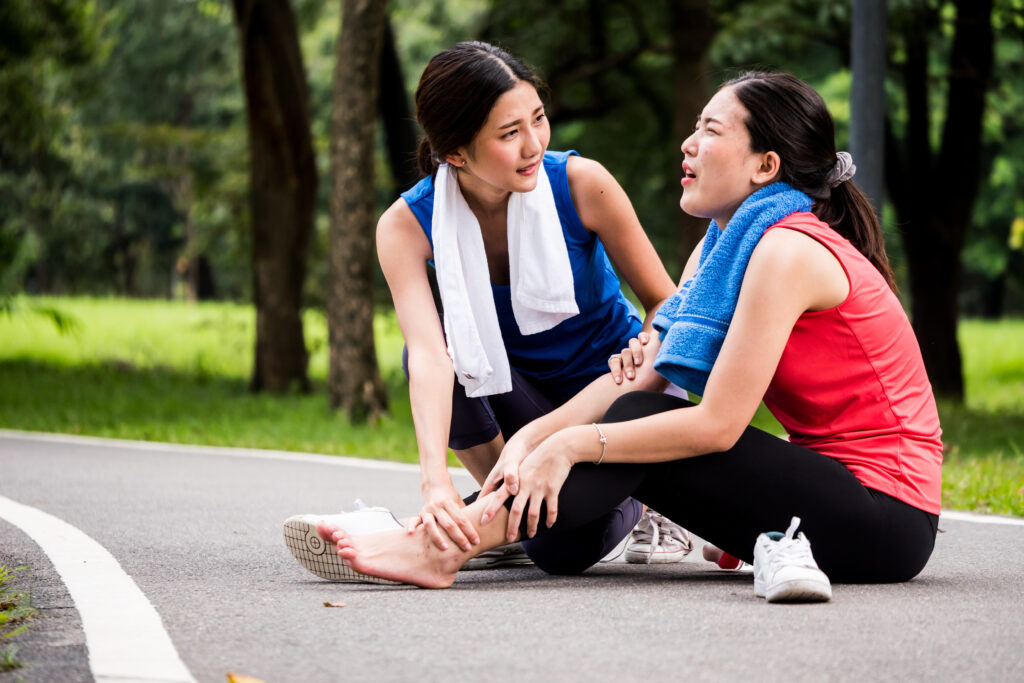
Recovery is not just about resting. Proper recovery allows your muscles, joints, and connective tissues to repair after physical stress, preventing overuse injuries and enhancing performance. Without adequate recovery, fatigue accumulates, increasing the risk of injuries like ACL tears, ankle sprains, or chronic conditions such as runner’s knee or tennis elbow.
Recovery strategies should address:
Muscle repair and tension relief
Joint stability and mobility
Nutritional support for tissue regeneration
Mental and emotional restoration
For a broader approach to health, explore The Path to Better Health and Wellness.
Muscle Recovery & The Role Of Muscle Relaxers
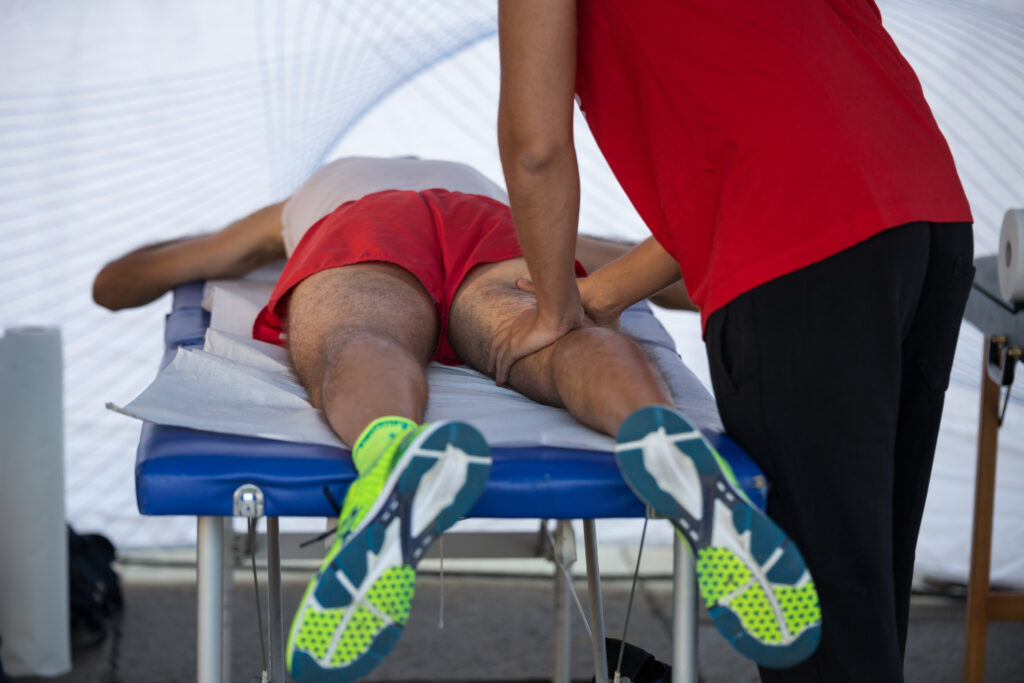
One of the most common aids for muscle recovery is the muscle relaxer. Muscle relaxers help alleviate tightness, reduce soreness, and improve overall flexibility after intense exercise or prolonged physical activity. They can be particularly useful after strength training, high-intensity interval workouts, or sports that require repetitive movements.
However, muscle relaxers are most effective when paired with:
Stretching routines to maintain flexibility
Foam rolling or massage for myofascial release
Adequate hydration to reduce muscle cramping
Proper nutrition to repair damaged tissue
Muscle relaxers can help prevent minor injuries from escalating into serious issues, particularly when combined with preventive strategies such as ACL and ankle injury exercises. For overall wellness guidance that complements physical recovery, see Mindful News: A Healthy Mind in a Healthy Body.

Sleep and Mindfulness: Essential Tools For Recovery
Recovery is not only physical—mental and emotional health play a huge role. Quality sleep and mindfulness practices allow your body to restore itself, reducing inflammation and improving hormone regulation, which supports muscle repair and injury prevention.
Tips for enhancing recovery through sleep and mindfulness:
Aim for 7–9 hours of uninterrupted sleep nightly
Avoid screens at least 60 minutes before bedtime
Use mindfulness meditation to manage stress and reduce cortisol levels
Incorporate breathing exercises after training sessions to aid relaxation
For more techniques that combine mind and body wellness, explore Nurturing the Spirit and Soul in Modern Workplaces.
ACL Injury Prevention
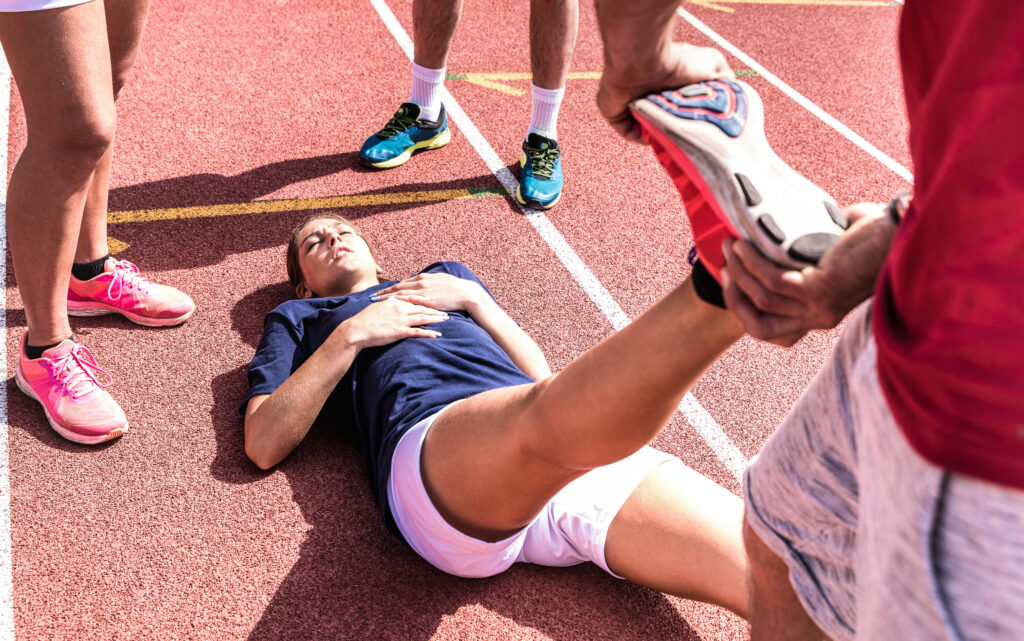
ACL (Anterior Cruciate Ligament) injuries are common in sports that involve jumping, pivoting, or sudden changes in direction. These injuries can be debilitating, requiring long recovery periods. Preventive measures are critical to maintain knee stability and reduce the risk of tears.
Key strategies for ACL injury prevention include:
Strengthening the quadriceps, hamstrings, glutes, and core muscles
Performing balance and agility exercises regularly
Practising proper landing mechanics when jumping
Using supportive footwear or knee braces during high-impact sports
Avoiding sudden increases in training intensity without proper conditioning
Incorporating ACL-focused exercises into your routine, combined with stretching and mobility work, reduces strain on your knees. For specific stretches and mobility routines, check Post-Football Stretches.
Ankle Injury Prevention
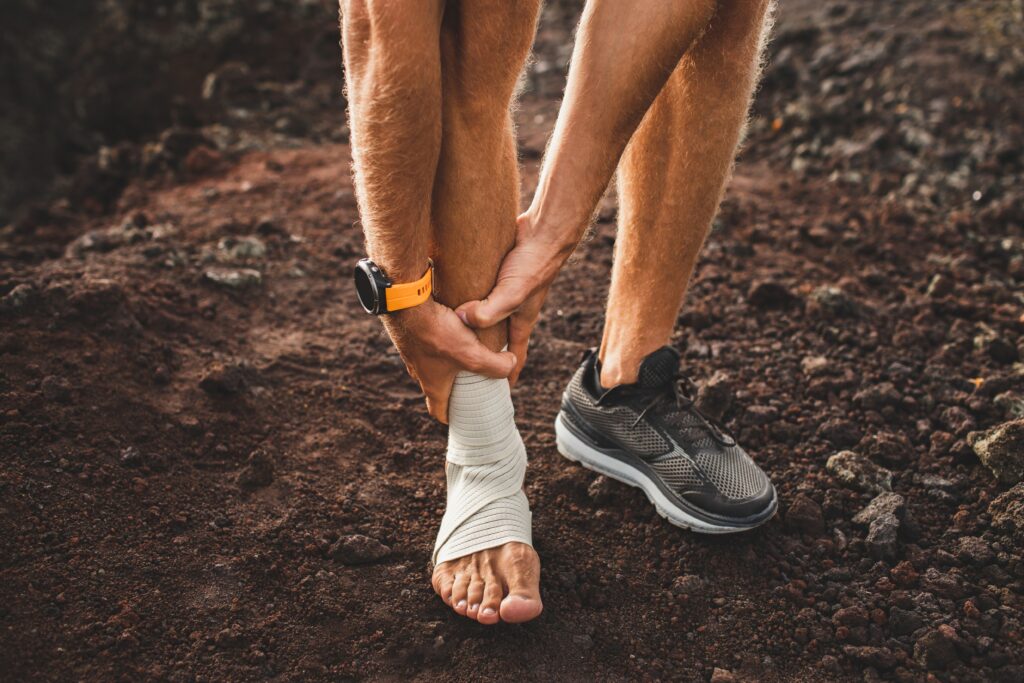
Ankle injuries, such as sprains, are one of the most common injuries for athletes and active individuals. Effective ankle injury prevention involves strengthening, balance, and proper technique.
Preventive tips for ankle health:
Perform ankle strengthening exercises like calf raises, resistance band work, and toe walks
Include balance training with single-leg exercises or wobble boards
Warm up thoroughly before intense activity
Wear supportive footwear appropriate for your sport or activity
Proper ankle care ensures stability, reduces downtime from injuries, and improves overall athletic performance. For more guidance on maintaining activity safely, see Unwrap the Gift of Fitness: Staying Active Over Christmas.
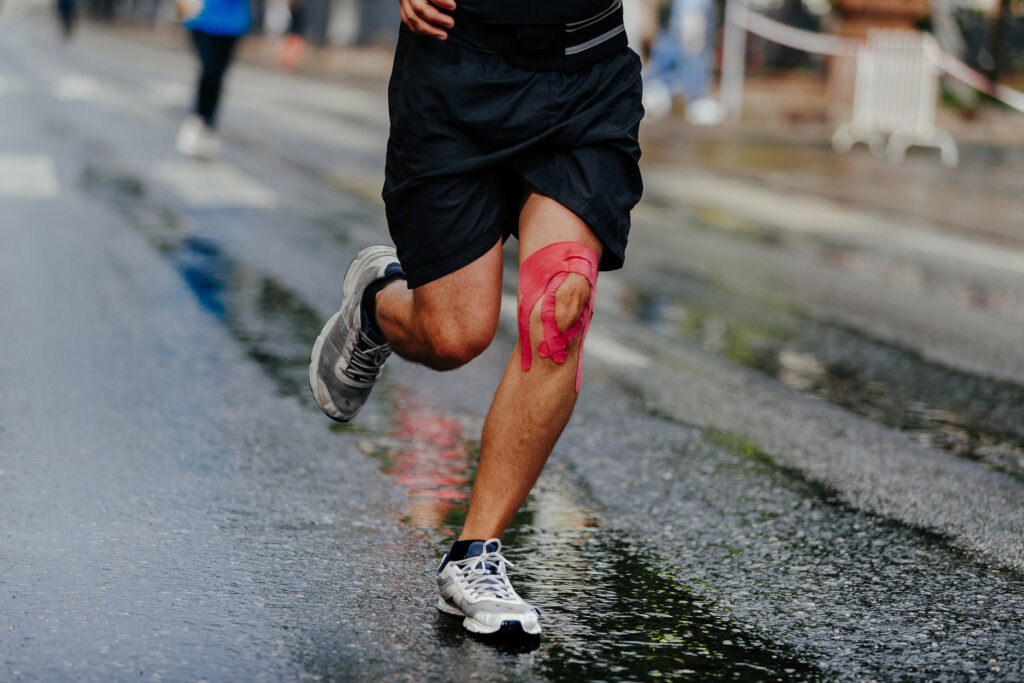
Avoiding Runner’s Knee
Runner’s knee, or patellofemoral pain syndrome, often results from overuse, poor running mechanics, or weak supporting muscles around the knee. Preventing it is essential for runners and anyone engaging in repetitive lower-limb activities.
Tips to avoid runner’s knee:
Strengthen the quadriceps, glutes, and hip stabilisers
Use proper footwear with adequate support and cushioning
Incorporate cross-training to reduce repetitive strain
Stretch and foam roll the IT band, quadriceps, and hamstrings regularly
Gradually increase training intensity to allow adaptation
For additional strength and conditioning advice, see Fitness and Exercise Guide.
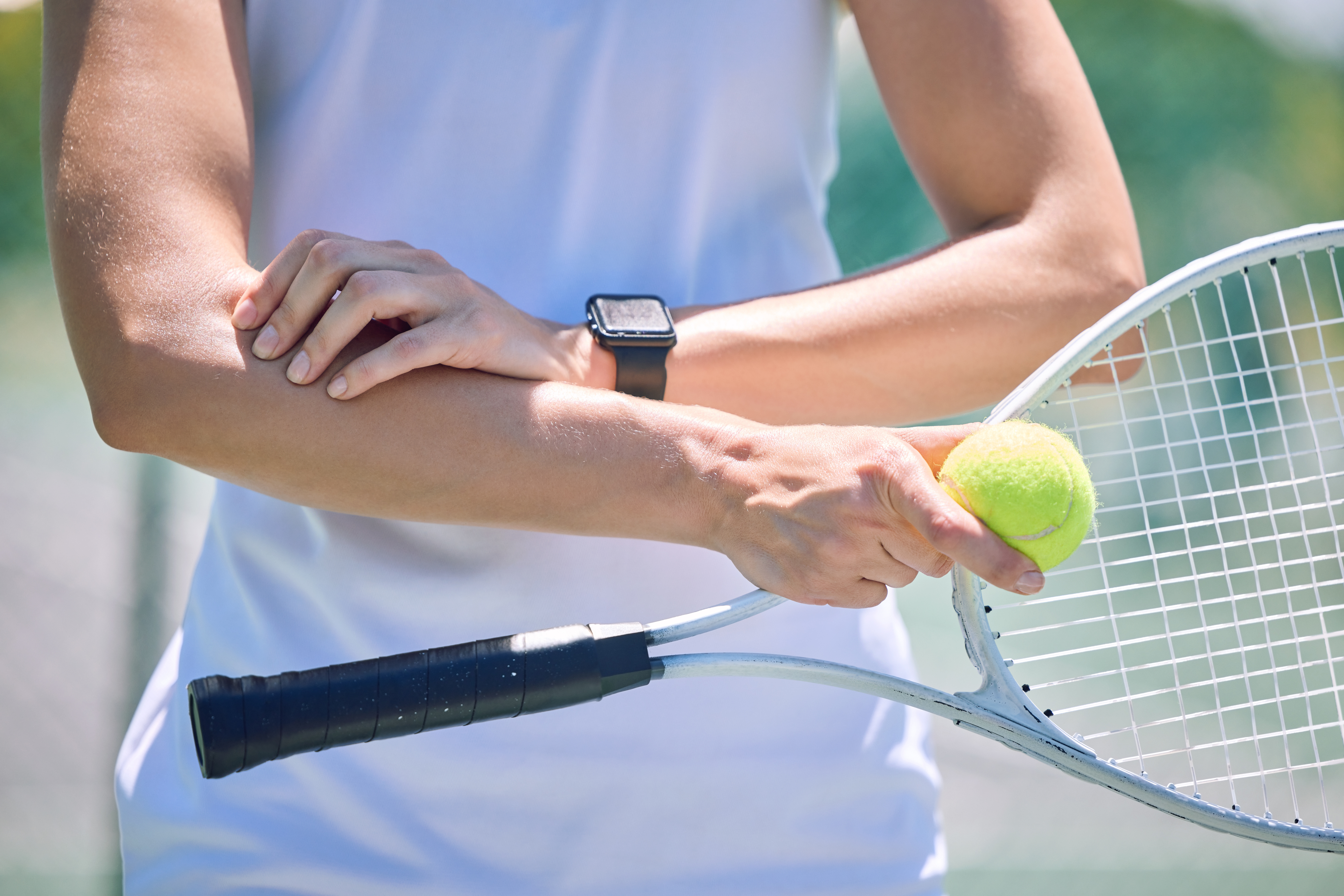
Avoiding Tennis Elbow
Tennis elbow, or lateral epicondylitis, is an overuse injury affecting the forearm and elbow. It is common in racquet sports, weightlifting, or any repetitive gripping movements.
Preventive strategies include:
Strengthening the forearm flexors and extensors
Improving grip technique and avoiding excessive tension
Using appropriate equipment such as racquets with the correct string tension
Allowing adequate rest between repetitive activities
Stretching the wrist and forearm muscles regularly
For guidance on maintaining overall joint and muscle health, explore Health and Wellbeing Ultimate Guide.

Nutrition for Recovery and Injury Prevention
Proper nutrition fuels recovery and supports injury prevention. Key principles include:
Adequate protein intake to repair muscles
Anti-inflammatory foods like fruits, vegetables, and omega-3 fats
Staying hydrated to reduce cramping and muscle fatigue
Using natural supplements or remedies when necessary (Natural Remedies and Supplements Guide)
Balanced diet for bone and joint health (Nutrition and Diet Guide)
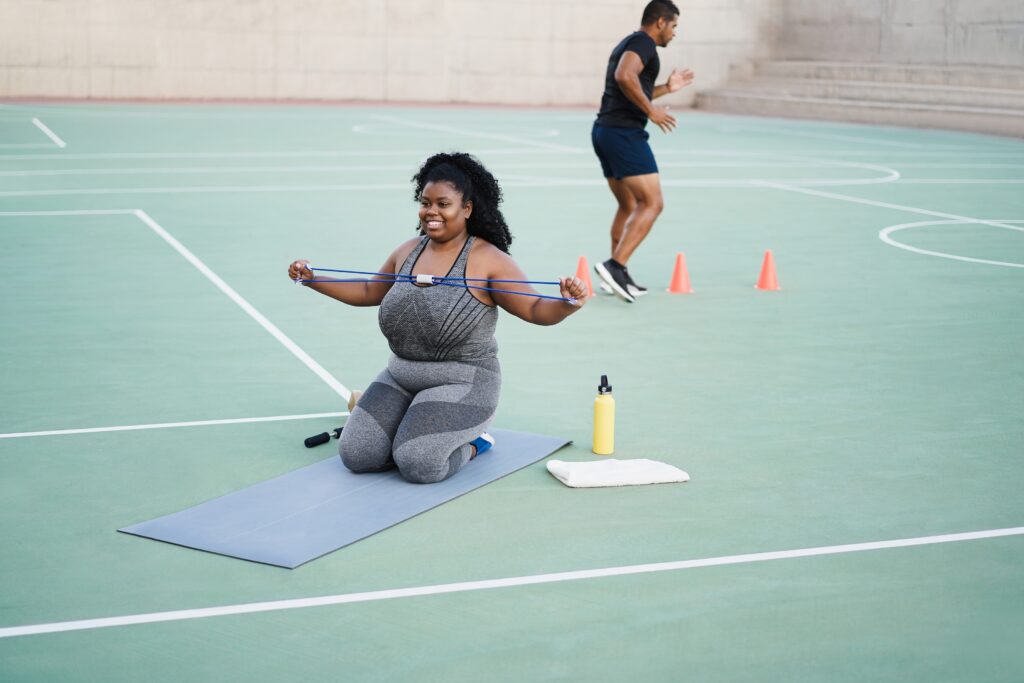
Holistic Approaches To Recovery
Recovery is enhanced when the mind, body, and spirit are considered together. Holistic strategies include:
Mindfulness practices to reduce stress and enhance healing (Mindful News)
Adequate sleep to promote muscle repair (Sleep and Recovery Guide)
Mobility exercises to maintain joint range of motion
Incorporating gentle activities like yoga or stretching to support circulation
A holistic approach ensures resilience and reduces long-term injury risks.

Recognising When To Seek Professional Help
Persistent pain, swelling, or decreased mobility should be assessed by a medical professional. Early intervention can prevent chronic injuries and support faster recovery. For insights on medical innovations and treatment options, see:
Integrating Recovery & Injury Prevention Into Your Lifestyle
To maximise performance and minimise injury risk, combine the following practices:
Regular use of muscle relaxers when needed, combined with stretching and mobility work
Targeted ACL and ankle injury prevention exercises
Avoiding runner’s knee and tennis elbow with strength and technique adjustments
Adequate sleep, stress management, and mindfulness
Balanced nutrition and hydration
For complete guidance on fitness, injury prevention, and wellness, explore:
Prioritising these strategies ensures your body remains strong, flexible, and injury-resistant, allowing you to perform at your best while staying healthy for years to come.
Take The Next Step In Your Recovery & Injury Prevention
Prioritising these strategies ensures your body remains strong, flexible, and injury-resistant, allowing you to perform at your best while staying healthy for years to come.
Want to learn more about recovery, injury prevention, and personalised wellness advice?
Important Disclaimer
All medical information provided on this website is for general educational purposes only. It should not be used as a substitute for professional medical advice, diagnosis, or treatment. Always consult a qualified healthcare provider if you have concerns about your health or symptoms that worsen or fail to improve.