Weight Loss and Body Fat Management: Your Comprehensive Guide to Sustainable Fat Loss
Achieving and maintaining a healthy body fat percentage is a key component of overall health and wellness. While many people seek quick fixes or fad diets, the most effective approach to weight loss and fat management involves long-term, sustainable changes to diet, exercise, and lifestyle.
This guide provides expert insights into how detoxification, nutrition, and physical activity all work together to support weight loss and healthy body fat levels. We’ll cover how to manage your weight safely, the role of detox in fat loss, and the best practices for maintaining a balanced body composition. Whether you’re looking to lose a few pounds or achieve a long-term healthy weight, this guide offers practical tips for every stage of your journey.
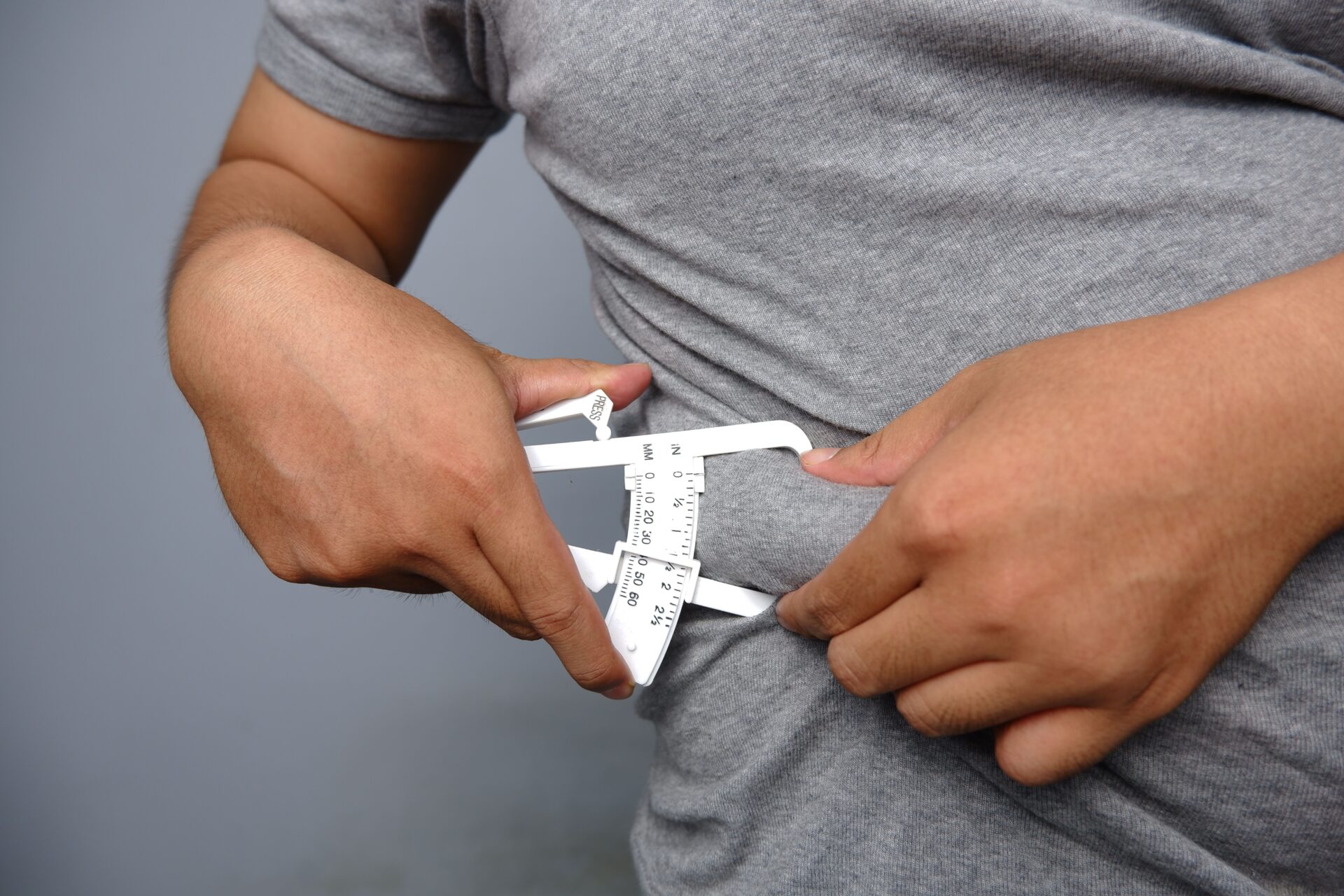
What Is Body Fat and Why Is It Important?
Body fat is a crucial part of the human body, acting as an energy reserve, helping to protect vital organs, and contributing to the production of hormones. However, too much body fat can lead to various health risks, including heart disease, diabetes, and certain cancers.
Maintaining a healthy body fat percentage is important for overall wellbeing. For most adults, a body fat percentage of around 18-24% for women and 10-20% for men is considered healthy. Having too much body fat, particularly visceral fat (fat around the organs), can increase the risk of metabolic diseases and other health complications.
In this section, we’ll explore the role of body fat in health, how to determine your body fat percentage, and why maintaining a balanced fat level is essential for overall wellness.
How Does Detoxification Support Weight Loss?
Detoxification can support weight loss by improving the body’s ability to eliminate waste and excess fluids. Detox helps enhance digestion, boost metabolism, and reduce bloating—factors that contribute to a healthy body weight. Detoxifying foods, such as fruits, vegetables, and fibre-rich grains, help regulate digestion and promote better nutrient absorption, which supports fat burning and weight management.
Additionally, some detox cleanses focus on reducing water retention and supporting the liver, a key organ responsible for metabolising fat. Regular detoxification can help the body reset, improve energy levels, and enhance the effects of healthy eating and exercise.
It’s important to note that detoxing is a supportive process. Sustainable weight loss is best achieved through balanced nutrition and consistent exercise, rather than relying on extreme or fad detox programmes.
The Role of Nutrition in Weight Loss and Fat Management
Nutrition is one of the most important factors in weight loss and body fat management. The foods you eat provide the energy needed for your body to function, and the right balance of nutrients can help you maintain a healthy metabolism, build lean muscle, and burn fat.
Protein: Protein is essential for building and repairing muscle tissue. A higher muscle mass increases your metabolism, which can help burn more calories at rest. Eating lean protein sources like chicken, fish, and plant-based proteins supports fat loss while promoting muscle development.
Fibre: High-fibre foods like vegetables, fruits, and whole grains help you feel full longer, regulate digestion, and support healthy gut function—all of which can aid in weight management.
Healthy Fats: While fat has more calories than protein and carbohydrates, it is an essential part of a balanced diet. Healthy fats from sources like avocado, olive oil, and nuts help with nutrient absorption and keep you satisfied.
Carbohydrates: While carbohydrates are a key energy source, focusing on complex carbs (such as sweet potatoes, quinoa, and brown rice) can prevent blood sugar spikes and provide steady energy throughout the day.
By focusing on a balanced, nutrient-dense diet, you can support your body’s ability to lose weight and maintain a healthy fat percentage.
Exercise and Physical Activity for Fat Loss
Exercise plays a crucial role in managing body fat. Both cardiovascular exercise and strength training can support fat loss, improve muscle tone, and increase metabolism.
Cardio: Aerobic exercises, such as running, cycling, or swimming, increase calorie burn and improve cardiovascular health. Regular cardio sessions help the body burn fat while increasing stamina and endurance.
Strength Training: Building lean muscle through weightlifting or bodyweight exercises boosts metabolism and helps the body burn fat more efficiently. The more muscle mass you have, the more calories you burn at rest, even while you’re not actively exercising.
HIIT (High-Intensity Interval Training): HIIT workouts are a great way to burn fat quickly by alternating between intense bursts of exercise and short recovery periods. HIIT has been shown to be effective at reducing body fat and improving fitness levels.
Incorporating a mix of cardiovascular exercise, strength training, and HIIT will help you achieve sustainable fat loss while improving overall fitness.
The Best Detox Cleanses for Weight Loss
Certain detox cleanses can help support weight loss by reducing water retention, promoting digestion, and boosting metabolism. Common detox cleanses include:
Juice Cleanses: Often involve consuming only juices made from fresh fruits and vegetables for a set period. While juice cleanses may help jump-start weight loss by reducing calorie intake, they should not be followed for extended periods.
Smoothie Detox: Similar to juice cleanses, smoothie detoxes involve consuming blended fruits, vegetables, and healthy fats. They provide more fibre and protein, making them a more sustainable option.
Intermittent Fasting: A form of detox that involves alternating between periods of eating and fasting. Intermittent fasting can help regulate calorie intake and promote fat burning, especially when combined with a healthy diet.
It’s important to approach detox cleanses with caution and focus on those that complement a healthy diet and lifestyle. Extreme or restrictive detox diets can lead to nutrient deficiencies and may not provide long-term weight loss results.
How to Maintain a Healthy Weight Long-Term
Maintaining a healthy weight involves more than just dieting—it requires a long-term commitment to balanced nutrition, regular exercise, and healthy habits. To achieve sustainable weight management:
Adopt a balanced diet that includes whole foods, lean proteins, healthy fats, and complex carbohydrates.
Exercise regularly to boost metabolism and burn fat.
Prioritise sleep: Poor sleep can disrupt hormones related to hunger and metabolism, making it harder to maintain a healthy weight.
Stay hydrated: Drinking enough water helps control appetite and supports metabolism.
By making these habits part of your daily routine, you can maintain a healthy body fat percentage and achieve long-term weight management.
Achieving Sustainable Fat Loss for a Healthier Life
Weight loss and body fat management require a holistic approach that combines nutrition, exercise, and healthy lifestyle choices. Detoxification can support the body’s natural fat-burning processes, but the key to sustainable fat loss is making long-term changes to your diet and activity level.
By adopting a balanced, nutrient-rich diet, exercising regularly, and maintaining healthy habits, you can achieve and maintain a healthy body fat percentage. Take a gradual and consistent approach, and remember that sustainable weight management is about creating habits that you can stick to for life.