Anti-ageing skincare plays an important role in helping individuals support healthier-looking skin, improve hydration and reduce the visible appearance of fine lines and wrinkles. From SPF protection and moisturisers to retinol, peptides and collagen-supporting skincare ingredients, modern anti-ageing skincare routines are designed to support a wide range of skin concerns associated with ageing and environmental exposure.
Whether you are completely new to anti-ageing skincare or looking to improve your current skincare routine, understanding how anti-ageing products work can help you make more informed beauty care decisions. With so many skincare ingredients, treatments and cosmetic products available, it is important to understand which products support your skincare goals and how to use them effectively.
In this ultimate anti-ageing skincare guide, we explore skincare ingredients, hydration, SPF protection and expert beauty advice designed to help beginners and skincare enthusiasts build healthier and more effective anti-ageing skincare routines.
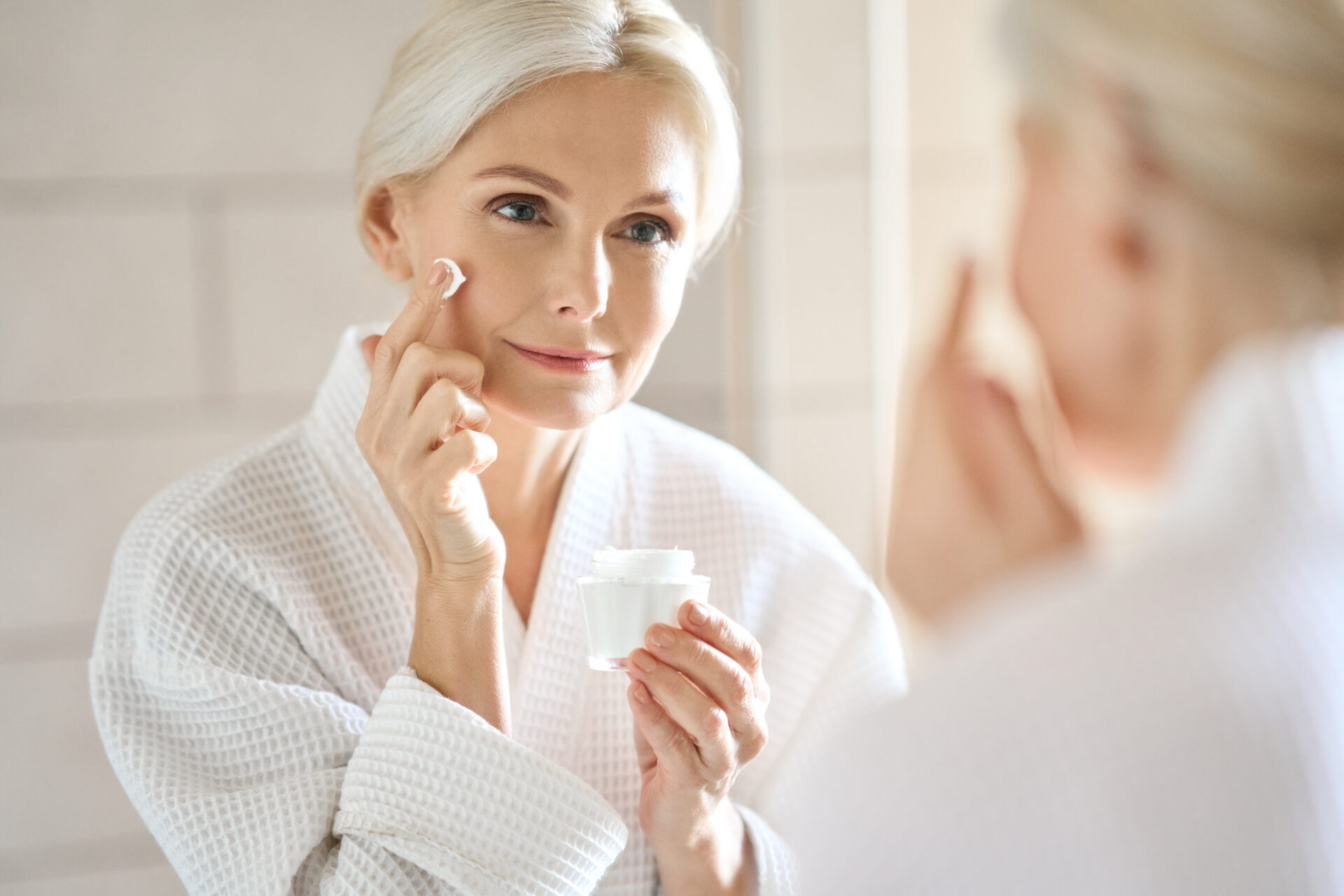
What Causes Skin Ageing?
Skin ageing is a natural process influenced by factors such as genetics, lifestyle and environmental exposure. Over time, the skin may gradually lose elasticity, hydration and collagen, which can contribute to the appearance of fine lines and wrinkles.
External factors such as UV exposure, pollution and smoking may also accelerate visible signs of ageing. Skincare routines designed to support hydration and protect the skin barrier are commonly used to help maintain healthier-looking skin.
For many people, understanding the causes of skin ageing can help support more informed skincare and beauty care decisions.
What Skincare Products Reduce Wrinkles?
Many anti-ageing skincare products are designed to support hydration, improve skin texture and reduce the visible appearance of fine lines and wrinkles. Moisturisers, serums and targeted treatments are commonly included within anti-ageing skincare routines.
Ingredients such as retinol, peptides and hyaluronic acid are frequently used in skincare products designed to support smoother-looking skin. SPF protection is also widely recommended to help protect the skin from premature ageing caused by UV exposure.
For many people, maintaining a consistent anti-ageing skincare routine can help support healthier-looking and more hydrated skin over time.
What Ingredients Help Mature Skin?
Mature skin often benefits from skincare ingredients designed to support hydration, elasticity and skin barrier function. Many anti-ageing skincare products contain ingredients selected to improve moisture retention and skin texture.
Common ingredients used within mature skincare products include:
- Retinol
- Hyaluronic acid
- Peptides
- Ceramides
- Vitamin C
- Niacinamide
These ingredients are commonly used to support smoother-looking skin and improve overall skin comfort.
For many people, choosing hydrating and barrier-supporting skincare products can help improve mature skincare routines.
Does Collagen Improve Skin?
Collagen is a protein naturally found within the skin that helps support firmness and elasticity. As skin ages, natural collagen levels gradually decline, which may contribute to visible signs of ageing such as fine lines and reduced skin firmness.
Many anti-ageing skincare products are designed to support collagen production or improve hydration and skin texture. Collagen-supporting skincare routines often include ingredients such as peptides, retinol and vitamin C.
For many people, maintaining hydration and consistent skincare routines may help support healthier-looking skin as collagen levels naturally change over time.
How Does Retinol Help Ageing Skin?
Retinol is a vitamin A derivative commonly used within anti-ageing skincare products designed to support skin renewal and improve overall skin texture. Many people include retinol within their skincare routines to help reduce the visible appearance of fine lines, wrinkles and uneven skin tone.
Because retinol is considered an active skincare ingredient, it is often introduced gradually to help minimise dryness or irritation. SPF protection is also commonly recommended alongside retinol use.
For many people, consistent and careful use of retinol may help improve long-term anti-ageing skincare results.
What Age Should You Start Anti-Ageing Skincare?
Many people begin exploring anti-ageing skincare once they notice early signs of ageing or become more interested in preventative skincare routines. Hydration, SPF protection and gentle skincare habits are often considered important at all ages.
Preventative skincare routines may help support long-term skin health and minimise environmental damage caused by UV exposure and pollution. Anti-ageing skincare does not always require complex routines or large numbers of products.
For many people, focusing on hydration, SPF and consistent skincare habits provides a strong foundation for long-term anti-ageing skincare maintenance.
Can Skincare Improve Fine Lines?
Many skincare products are designed to improve hydration and support smoother-looking skin, which may help reduce the appearance of fine lines over time. Hydrated skin often appears plumper and more balanced, helping improve overall skin texture.
Ingredients such as hyaluronic acid, peptides and retinol are commonly included within products targeting visible signs of ageing. Consistency and sun protection are also important factors within anti-ageing skincare routines.
For many people, maintaining regular skincare routines may help improve the appearance and texture of ageing skin over time.
Is SPF Important For Anti-Ageing?
SPF is widely considered one of the most important products within anti-ageing skincare routines. UV exposure is one of the main environmental factors associated with premature skin ageing and visible skin damage.
Daily SPF use may help:
- Reduce sun damage
- Protect against UV exposure
- Minimise pigmentation
- Support healthier-looking skin
- Reduce visible signs of ageing
Modern SPF products are available in lightweight formulations suitable for different skin types and skincare routines.
For many people, daily sun protection forms an essential part of effective anti-ageing skincare.
What Are The Best Anti-Ageing Routines?
Anti-ageing skincare routines often focus on hydration, sun protection and consistent use of skincare products designed to support mature skin. Many routines include cleansing, moisturising, SPF protection and targeted skincare treatments.
Some anti-ageing routines also include:
- Retinol serums
- Hydrating treatments
- Antioxidant skincare
- Peptide products
- Barrier-supporting moisturisers
Simple and consistent skincare routines are often easier to maintain and may provide more reliable long-term skincare benefits.
For many people, balanced anti-ageing skincare routines help support healthier-looking and more comfortable skin.
What Lifestyle Factors Affect Skin Ageing?
Lifestyle habits can significantly influence overall skin appearance and long-term skin health. Factors such as sleep, stress, hydration, nutrition and sun exposure may all contribute to visible signs of ageing.
Smoking, dehydration and excessive UV exposure may sometimes accelerate skin ageing and reduce skin elasticity. Consistent skincare routines combined with healthier lifestyle habits are commonly recommended to support long-term skin health.
For many people, combining skincare consistency with balanced daily habits helps support healthier-looking skin and improve overall skincare maintenance.
Improve Your Anti-Ageing Skincare Routine
Understanding anti-ageing skincare products, ingredients and routines can help you make more informed decisions about long-term skin health and beauty care. Whether you are looking to improve hydration, reduce the appearance of fine lines or support mature skin, maintaining a consistent skincare routine can help support healthier-looking skin over time.
Explore more of our cosmetics and beauty care guides to discover expert advice on skincare routines, cosmetic ingredients, beauty products and the latest skincare trends.