What Are Dental Implants?
Dental implants are a long-term solution for replacing missing teeth and restoring both oral function and appearance. Implants are designed to act as artificial tooth roots and are typically placed into the jawbone to support replacement teeth such as crowns, bridges or dentures.
Modern dental implant treatment offers a stable and natural-looking alternative to traditional tooth replacement options. Implants are widely used to improve chewing ability, speech, facial structure and overall confidence following tooth loss.
Dental implants are often considered one of the most durable and effective restorative dental treatments available today.
Why Missing Teeth Should Be Replaced
Missing teeth can affect far more than the appearance of a smile. Gaps left by lost teeth may lead to difficulties with chewing, speech changes and shifting of surrounding teeth over time.
Tooth loss may also contribute to bone loss within the jaw, as the underlying bone no longer receives stimulation from the tooth root. This can gradually affect facial structure and oral function.
Replacing missing teeth with dental implants may help:
- Restore chewing efficiency
- Improve speech clarity
- Prevent surrounding teeth from shifting
- Support jawbone health
- Maintain facial structure
- Improve smile appearance
- Increase confidence
Early treatment can often help reduce the risk of further oral health complications developing.
How Dental Implants Work
A dental implant typically consists of three main components:
- The implant post
- The abutment
- The dental restoration
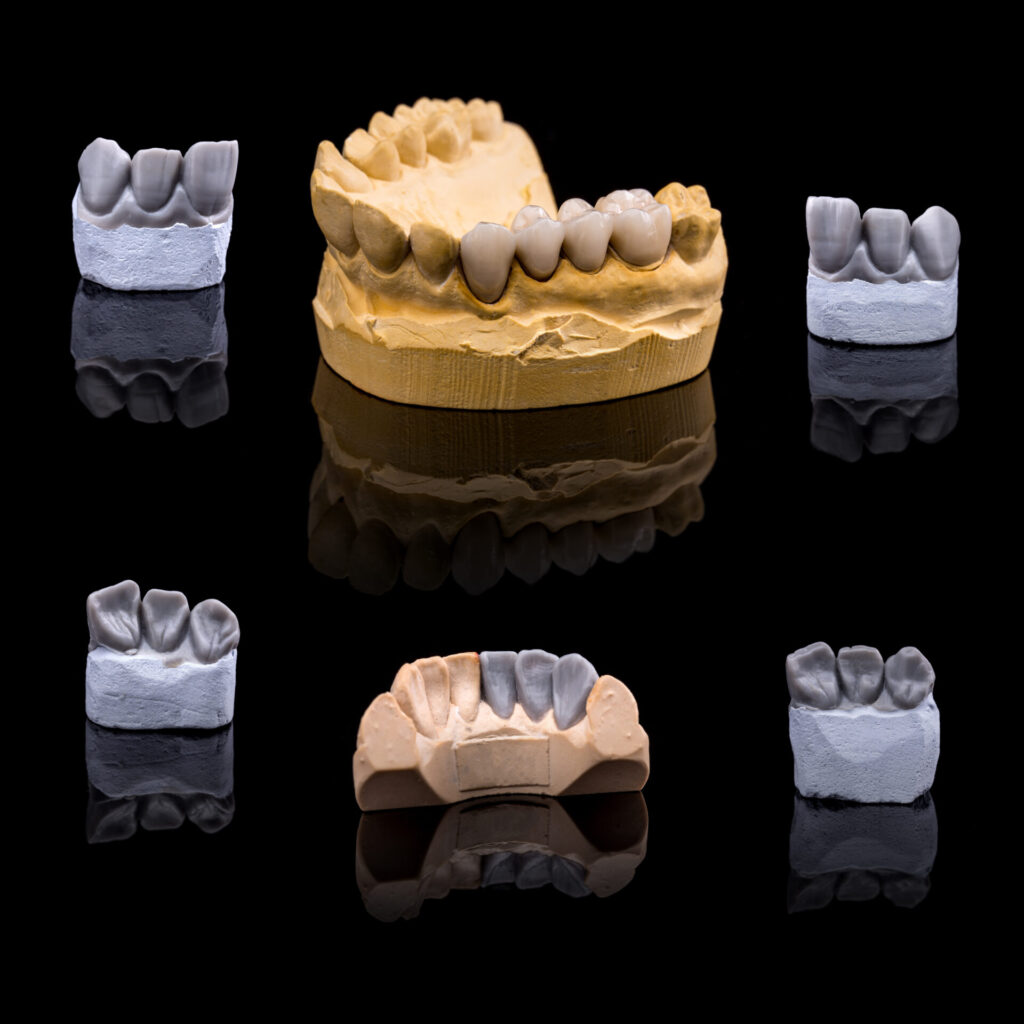
The implant post is usually made from titanium and is placed into the jawbone to function as an artificial root. Once healing has taken place and the implant integrates with the bone, an abutment is attached to support the final restoration.
Depending on the patient’s needs, the visible restoration may be a crown, bridge or implant-supported denture.
The result is a secure and stable replacement tooth designed to look and function similarly to a natural tooth.
Types of Dental Implant Restorations
Dental implants can support a variety of restorative solutions depending on the number of missing teeth and the condition of the mouth.
Single Tooth Implants
Single dental implants are used to replace one missing tooth without affecting neighbouring teeth. A custom crown is attached to the implant to restore appearance and function.
Implant Bridges
Implant-supported bridges may be used when several teeth are missing together. Instead of relying on natural teeth for support, the bridge is secured using dental implants.
Implant-Supported Dentures
Implant-supported dentures provide greater stability compared to traditional removable dentures. The dentures attach securely to implants placed within the jawbone, helping reduce movement and discomfort.
The Dental Implant Process
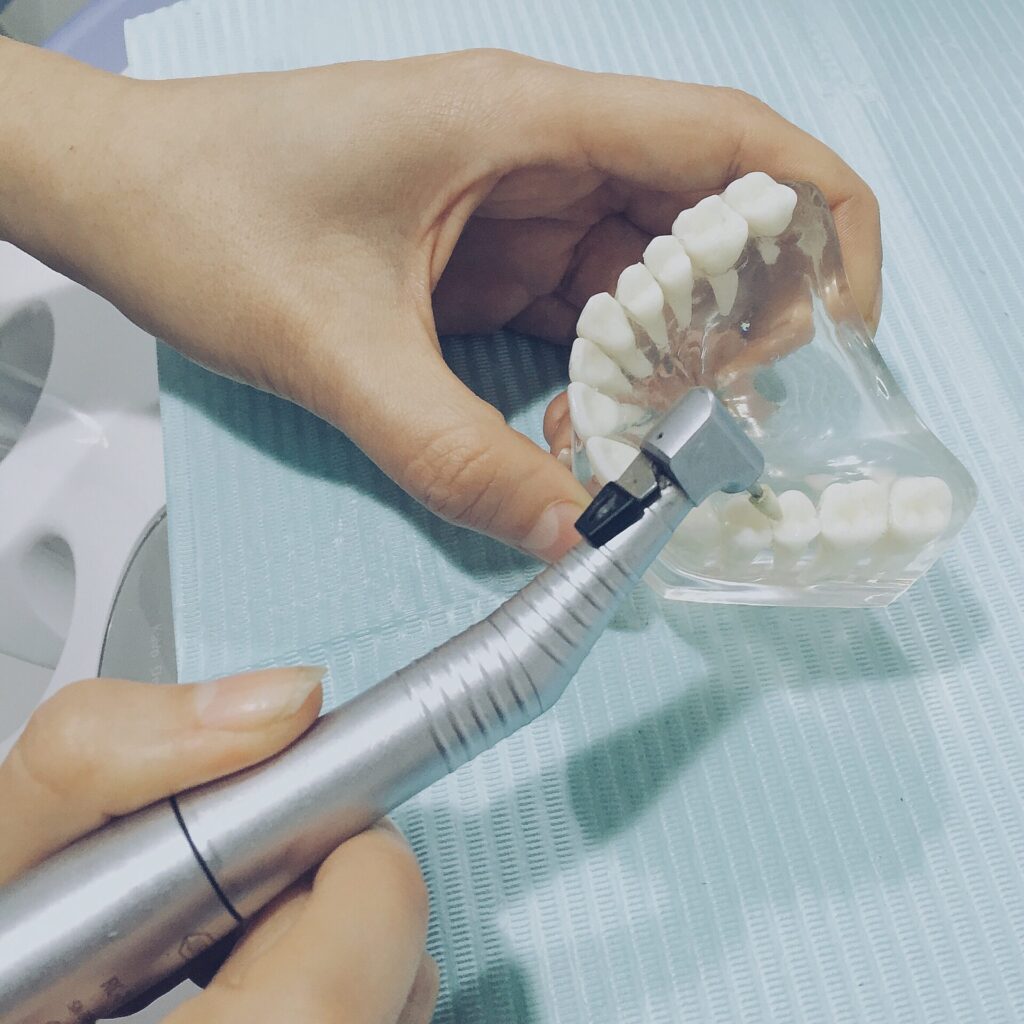
Dental implant treatment is carefully planned to ensure the best possible outcome for each patient. The process may vary depending on individual needs, oral health and bone condition.
Treatment generally involves:
- Initial dental consultation
- Clinical examination and imaging
- Treatment planning
- Implant placement procedure
- Healing and bone integration
- Placement of the final restoration
Healing time may vary between patients, as the implant must integrate securely with the jawbone before the final restoration is fitted.
Bone Grafting and Preparatory Procedures
Some patients may require additional procedures before dental implant placement. Bone grafting may be recommended if there is insufficient jawbone density to support the implant securely.
Bone grafting procedures help rebuild or strengthen the jawbone in areas affected by bone loss. Other preparatory treatments may include sinus lifts, tooth extractions or periodontal treatment.
Advanced diagnostic technology allows dentists to assess bone structure accurately and plan implant treatment more precisely.
Benefits of Dental Implants
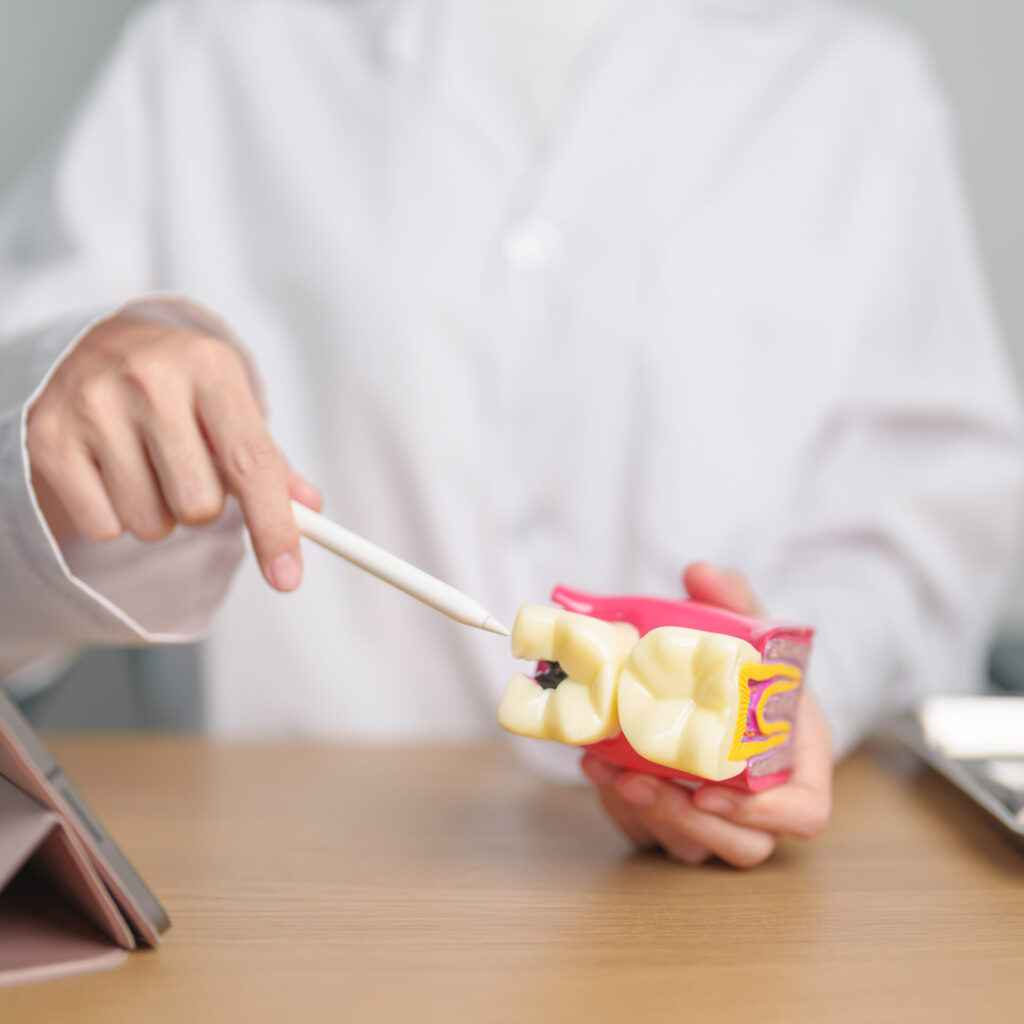
Dental implants offer several advantages compared to other tooth replacement methods. Because implants integrate directly with the jawbone, they provide excellent stability and durability.
Benefits of dental implants may include:
- Natural appearance
- Improved chewing ability
- Enhanced comfort
- Long-term durability
- Better speech support
- Improved confidence
- Preservation of jawbone structure
- Reduced movement compared to dentures
With proper care, dental implants can provide long-lasting results for many years.
Caring for Dental Implants
Maintaining good oral hygiene is essential for protecting both dental implants and surrounding gum tissue. Although implants cannot develop decay, plaque and bacteria may still affect gum health and implant stability.
Patients are generally advised to:
- Brush twice daily
- Clean between teeth and implants regularly
- Attend routine dental check-ups
- Schedule professional hygiene appointments
- Avoid smoking where possible
- Follow professional aftercare guidance
Ongoing maintenance helps support the long-term success of implant treatment.

Are Dental Implants Suitable for Everyone?
Many adults with missing teeth may be suitable candidates for dental implants, although several factors influence treatment suitability. Healthy gums, adequate bone density and good general oral health are important considerations.
Certain medical conditions, smoking habits or untreated gum disease may affect healing and implant success rates. A detailed consultation allows the dentist to assess suitability and discuss appropriate treatment options.
Even patients who have experienced bone loss may still be eligible for implants with additional preparatory procedures.
Long-Term Tooth Replacement Solutions
Dental implants continue to be one of the most advanced restorative solutions for replacing missing teeth. Their ability to restore function, appearance and jaw support makes them a popular treatment option for many patients seeking a permanent and natural-looking result.
With modern techniques and personalised treatment planning, dental implant dentistry provides reliable solutions that support long-term oral health, comfort and confidence.