What Is Orthodontics?
Orthodontics is a specialised area of dentistry focused on correcting the alignment of teeth and jaws. Orthodontic treatment is designed to improve bite function, tooth positioning and overall smile appearance through the gradual movement of teeth into healthier alignment.
Misaligned teeth and bite issues can affect both oral health and confidence. Modern orthodontic treatments offer solutions for patients of all ages, ranging from traditional braces to discreet clear aligner systems.
Orthodontic care may help improve chewing, speech, oral hygiene and long-term dental stability while enhancing smile aesthetics.
Why Teeth Alignment Matters
Properly aligned teeth contribute to better oral health and overall dental function. When teeth are crowded, crooked or unevenly spaced, it can become more difficult to clean them effectively, increasing the risk of plaque build-up, tooth decay and gum disease.
Bite problems may also place uneven pressure on the teeth and jaw joints, potentially leading to discomfort, tooth wear or jaw strain over time.
Orthodontic treatment can help address:
- Crowded teeth
- Crooked teeth
- Gaps between teeth
- Overbites
- Underbites
- Crossbites
- Open bites
- Jaw alignment concerns
Correcting alignment issues may improve both dental health and smile appearance.
Types of Orthodontic Treatment
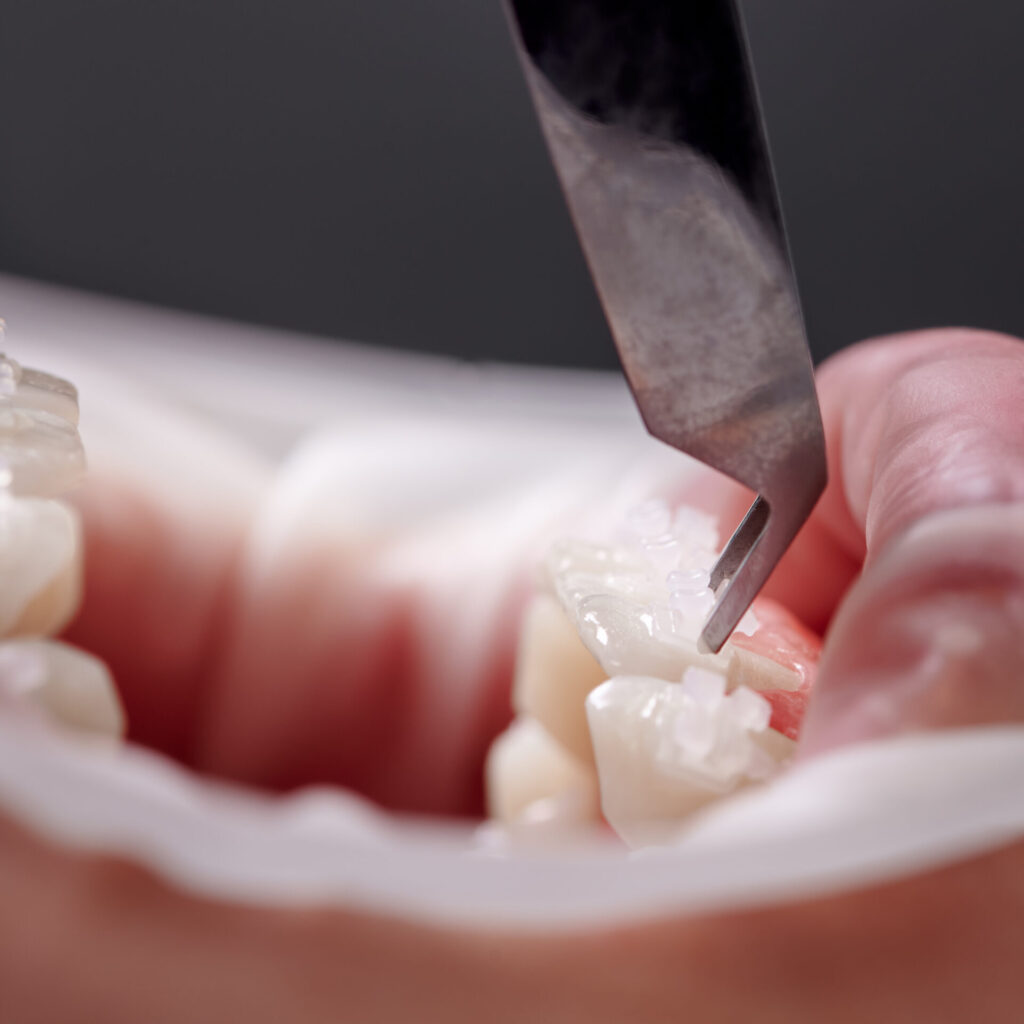
Modern orthodontics offers several treatment options depending on the complexity of the case, aesthetic preferences and treatment goals.
Traditional Metal Braces
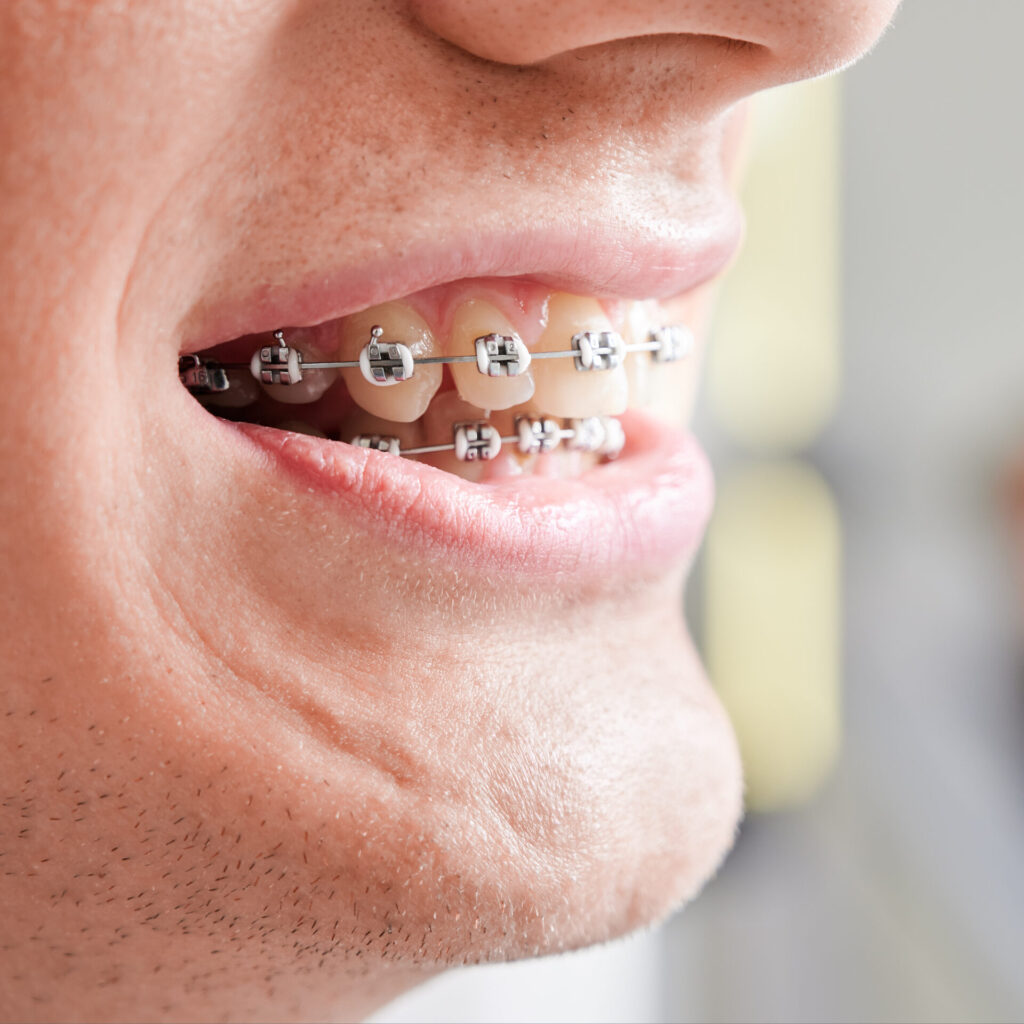
Traditional braces use metal brackets and wires to gradually move teeth into the correct position. They remain one of the most effective options for treating more complex alignment and bite issues.
Modern braces are smaller and more comfortable than earlier systems while allowing precise tooth movement throughout treatment.
Ceramic Braces
Ceramic braces function similarly to metal braces but use tooth-coloured or clear brackets for a more discreet appearance. They are often chosen by patients seeking less noticeable orthodontic treatment.
Clear Aligners
Clear aligners are removable transparent trays designed to gradually straighten teeth over time. They are commonly used for mild to moderate orthodontic concerns and are popular among adults seeking a more discreet treatment option.
Aligners are custom-made and replaced periodically as teeth continue to shift into alignment.
The Orthodontic Consultation Process
Orthodontic treatment begins with a detailed consultation and examination. The dentist or orthodontist evaluates tooth alignment, bite position and jaw structure to determine the most suitable treatment plan.
The consultation may include:
- Clinical examination
- Digital scans or impressions
- Dental X-rays
- Photographs
- Bite assessment
- Discussion of treatment goals
Following the assessment, a personalised treatment plan is created based on the patient’s individual needs.
How Orthodontic Treatment Works
Orthodontic appliances apply controlled pressure to the teeth over time, gradually guiding them into improved positions. Bone and supporting tissues adapt as the teeth move, allowing alignment changes to occur safely and progressively.
Treatment length varies depending on the complexity of the case and the type of orthodontic system used. Some patients may require treatment for several months, while others may need longer-term correction.
Regular appointments are usually necessary to monitor progress and adjust appliances throughout treatment.
Orthodontics for Children and Teenagers
Orthodontic treatment is commonly provided during childhood and adolescence, as developing teeth and jaws are often easier to guide into alignment.
Early orthodontic assessments may help identify issues such as overcrowding, bite irregularities or jaw growth concerns before they become more severe.
Treatment for younger patients may involve:
- Fixed braces
- Space maintainers
- Functional appliances
- Early interceptive treatment
- Retainers
Monitoring dental development at an early age can support more effective long-term outcomes.
Adult Orthodontics
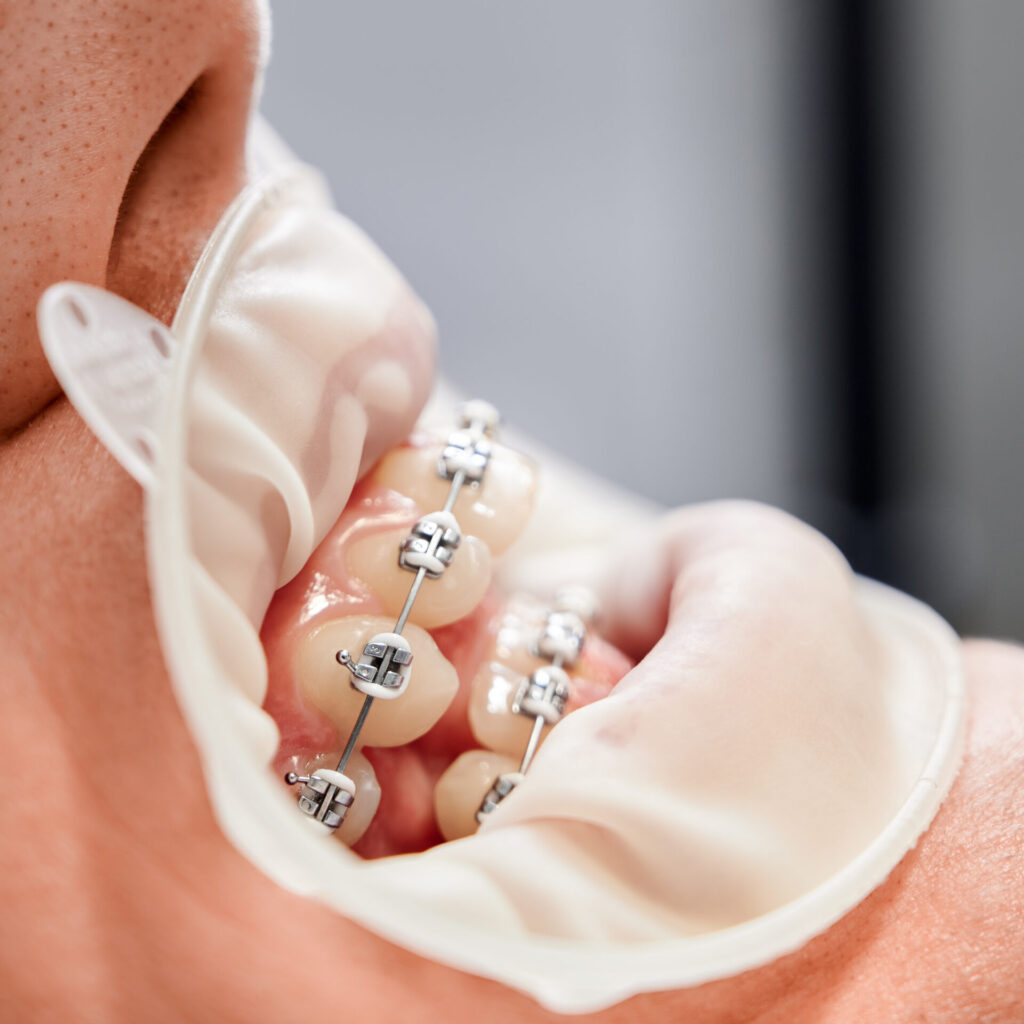
Orthodontic treatment is increasingly popular among adults seeking to improve both oral health and smile appearance. Advances in orthodontic technology now allow many adults to receive treatment using more discreet systems such as ceramic braces or clear aligners.
Adult orthodontics may help correct long-standing alignment concerns while supporting improved oral hygiene and dental function.
Many adults choose orthodontic treatment to address:
- Crowded or uneven teeth
- Relapse following previous treatment
- Bite discomfort
- Cosmetic concerns
- Difficulty cleaning teeth effectively
Orthodontic care can be successful at almost any age when supported by healthy teeth and gums.
Retainers and Post-Treatment Care
After orthodontic treatment is completed, retainers are usually provided to help maintain the new tooth positions. Teeth naturally have a tendency to shift over time, making retention an important part of long-term orthodontic success.
Retainers may be removable or fixed depending on the patient’s needs and treatment plan.
Patients are often advised to:
- Wear retainers as instructed
- Maintain good oral hygiene
- Attend follow-up appointments
- Avoid damaging orthodontic appliances
- Continue routine dental care
Long-term maintenance helps preserve treatment results and oral health.
Benefits of Orthodontic Treatment
Orthodontic treatment can provide both cosmetic and functional benefits that contribute to long-term oral wellbeing.
Potential benefits may include:
- Improved smile appearance
- Better bite function
- Easier oral hygiene maintenance
- Reduced tooth wear
- Improved speech in some cases
- Greater comfort when chewing
- Increased confidence
Straightening teeth can also support healthier gums and reduce areas where plaque and bacteria may accumulate.
Modern Advances in Orthodontics
Orthodontic technology continues to evolve, providing patients with more comfortable, efficient and discreet treatment options. Digital scanning, 3D treatment planning and advanced orthodontic materials have improved both precision and patient experience.
Modern orthodontics allows treatment plans to be highly personalised, helping patients achieve healthier alignment and natural-looking results with greater predictability and comfort.