What Is Preventative Dentistry?
Preventative dentistry focuses on protecting teeth and gums from disease, decay and long-term damage before serious problems develop. The goal of preventative care is to maintain strong oral health through regular dental visits, professional hygiene treatments, early diagnosis and healthy daily habits.
Modern preventative dentistry plays an important role in reducing the risk of cavities, gum disease, enamel erosion and tooth loss. By identifying issues early and supporting effective oral hygiene, preventative dental care can help patients avoid more complex and invasive treatments in the future.
Preventative dentistry is suitable for patients of all ages and forms the foundation of lifelong oral health.
Why Preventative Dental Care Matters
Many oral health problems develop gradually and may not cause pain or noticeable symptoms during the early stages. Regular preventative care helps dentists identify concerns before they progress and become more difficult to treat.
Preventative dentistry may help reduce the risk of:
- Tooth decay
- Gum disease
- Tooth loss
- Plaque and tartar build-up
- Bad breath
- Enamel wear
- Oral infections
- Costly restorative treatment
Maintaining healthy teeth and gums can also contribute to improved overall wellbeing, confidence and long-term comfort.
Routine Dental Check-Ups
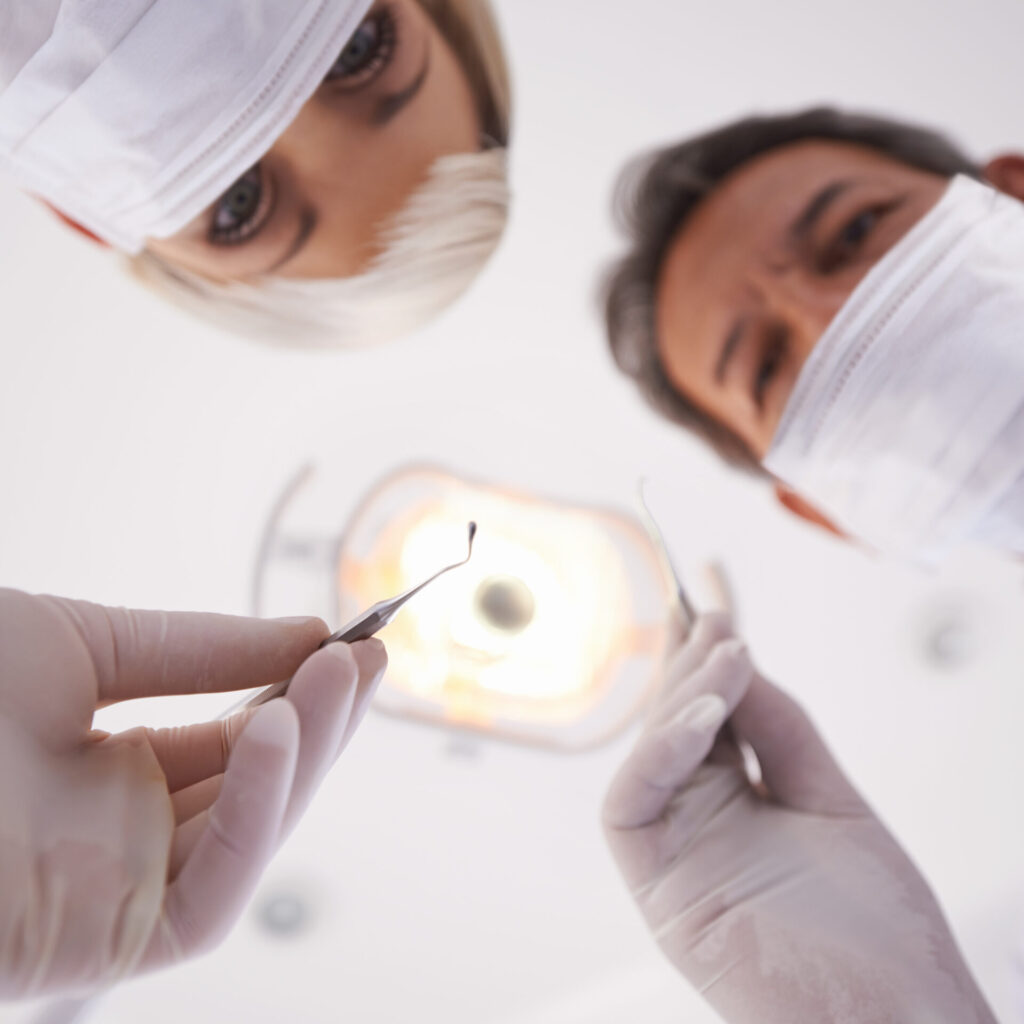
Regular dental examinations are an essential part of preventative care. During a routine check-up, the dentist assesses the condition of the teeth, gums and surrounding oral structures while monitoring for signs of disease or damage.
Dental check-ups may include:
- Oral examinations
- Gum health assessments
- Digital X-rays
- Oral cancer screenings
- Monitoring existing restorations
- Preventative treatment planning
Early detection allows treatment to begin before conditions worsen, helping protect both oral health and natural tooth structure.
Professional Dental Hygiene
Professional hygiene appointments help remove plaque and tartar deposits that may not be fully eliminated through brushing and flossing alone. Dental hygienists also provide personalised advice to improve home oral care routines.
Hygiene treatments may involve:
- Scale and polish procedures
- Plaque removal
- Deep cleaning where required
- Gum health maintenance
- Oral hygiene instruction
Regular hygiene appointments can help reduce inflammation, improve gum health and maintain fresher breath.

Fluoride Treatments
Fluoride is a mineral that helps strengthen tooth enamel and reduce the risk of tooth decay. Professional fluoride applications may be recommended for patients who are more vulnerable to cavities or enamel weakening.
Fluoride treatments work by helping teeth resist acid attacks caused by plaque bacteria and dietary sugars. These treatments are commonly used as part of preventative care for both children and adults.
Fluoride can support:
- Stronger enamel
- Reduced cavity risk
- Protection against acid erosion
- Improved tooth resistance
Combined with good oral hygiene, fluoride treatments help maintain healthier teeth over time.
Fissure Sealants
Fissure sealants are protective coatings applied to the chewing surfaces of back teeth, particularly molars. These areas often contain deep grooves that can trap food particles and bacteria, increasing the risk of decay.
Sealants create a protective barrier over the tooth surface, making it easier to clean and reducing the likelihood of cavities forming.
Fissure sealants are commonly recommended for children and teenagers, although some adults may also benefit from treatment depending on their oral health needs.
Gum Disease Prevention
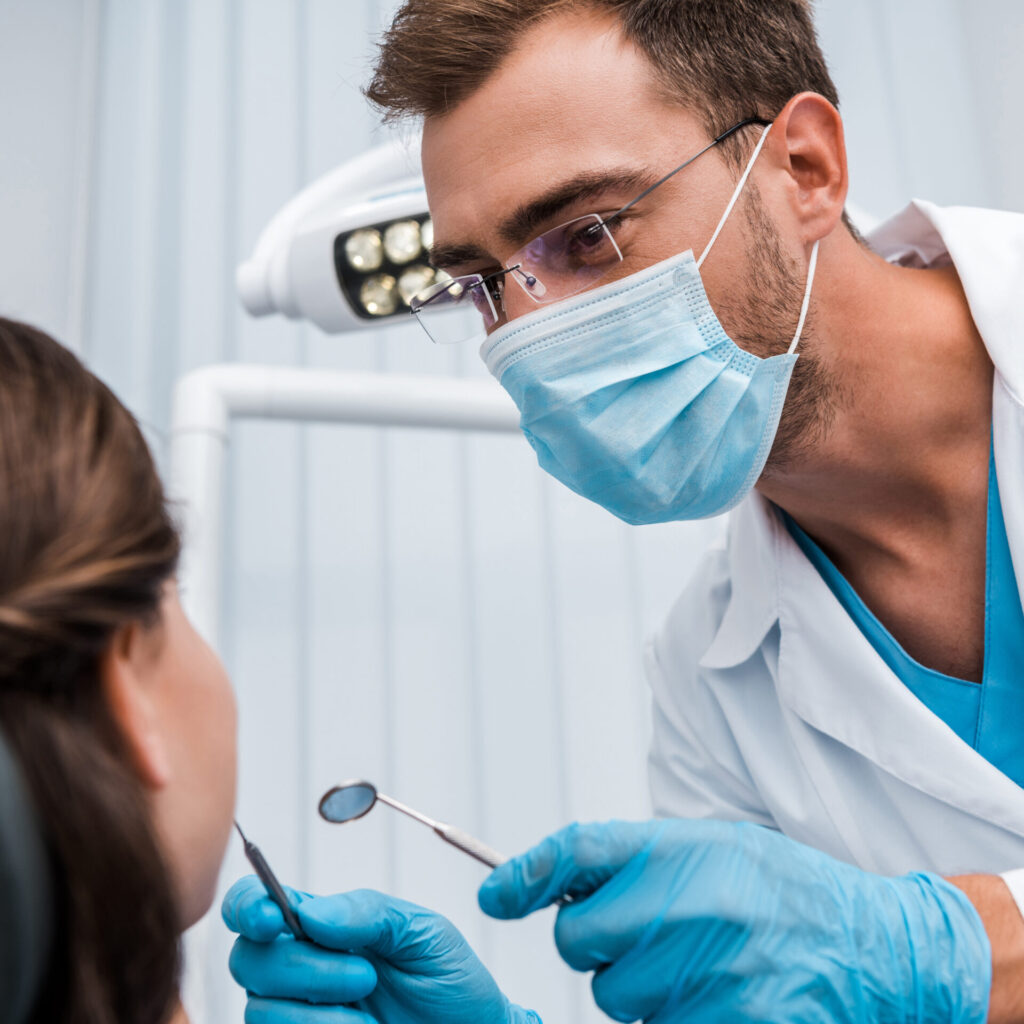
Preventing gum disease is an important aspect of maintaining overall oral health. Gum disease develops when plaque and bacteria build up around the gum line, leading to inflammation and infection.
Early signs of gum disease may include:
- Bleeding gums
- Swollen gums
- Redness or tenderness
- Persistent bad breath
- Gum recession
Preventative care focuses on controlling plaque build-up through professional cleaning, effective home care and regular dental monitoring.
Treating gum disease early helps protect the supporting structures of the teeth and reduce the risk of tooth loss.
Oral Health Education and Lifestyle Factors
Preventative dentistry also involves educating patients about the habits and lifestyle factors that affect oral health. Diet, smoking, stress and certain medical conditions can all influence the condition of teeth and gums.
Patients may receive guidance on:
- Proper brushing techniques
- Flossing and interdental cleaning
- Sugar consumption
- Smoking cessation
- Protecting teeth from acid erosion
- Managing dry mouth
- Sports mouthguards
Understanding how daily habits impact oral health can help patients make informed decisions and maintain healthier smiles.

Preventative Dentistry for Children
Early dental care is essential for supporting healthy oral development in children. Preventative dentistry helps children establish good oral hygiene habits while reducing the risk of tooth decay and future dental anxiety.
Paediatric preventative care may include:
- Routine examinations
- Fluoride applications
- Fissure sealants
- Monitoring tooth development
- Dietary advice
- Oral hygiene instruction
Regular dental visits during childhood can contribute to stronger long-term oral health and encourage positive attitudes towards dental care.
Long-Term Benefits of Preventative Dentistry
Preventative dentistry offers significant long-term advantages for maintaining oral health and reducing the likelihood of major dental problems later in life.
Benefits may include:
- Healthier teeth and gums
- Reduced need for extensive treatment
- Lower risk of tooth loss
- Earlier detection of dental problems
- Improved oral hygiene habits
- Better overall comfort and confidence
By combining regular dental visits with effective home care, preventative dentistry supports healthier smiles and long-term oral wellbeing for patients of all ages.