What Is Paediatric Dentistry?
Paediatric dentistry focuses on the oral health and dental development of children from infancy through adolescence. This area of dentistry is dedicated to preventing, diagnosing and treating dental conditions affecting growing teeth and gums while helping children develop positive attitudes towards oral care.
Early dental visits play an important role in monitoring development, preventing tooth decay and encouraging healthy habits from a young age. Paediatric dental care is designed to meet the unique needs of children in a comfortable and supportive environment.
Good oral health during childhood can contribute to stronger teeth, healthier gums and improved dental wellbeing later in life.
Why Children’s Dental Care Is Important
Children’s teeth are vulnerable to decay and damage as they develop. Establishing healthy oral hygiene routines early helps reduce the risk of cavities, gum problems and future dental complications.
Paediatric dentistry focuses on:
- Monitoring tooth development
- Preventing tooth decay
- Supporting healthy jaw growth
- Teaching proper oral hygiene habits
- Identifying orthodontic concerns early
- Managing dental anxiety
- Protecting developing teeth
Early dental care also helps children become familiar with routine dental visits, which may encourage greater confidence and cooperation as they grow older.

The Importance of Early Dental Visits
Dental visits are recommended from an early age to monitor oral development and identify any potential concerns. Regular examinations allow dentists to track the growth of baby teeth, assess bite development and provide preventative guidance for parents.
Early appointments may include:
- Oral examinations
- Monitoring tooth eruption
- Gum health checks
- Preventative treatments
- Dietary advice
- Oral hygiene education
Routine dental care during childhood supports healthy development and allows problems to be addressed before they become more serious.
Preventing Tooth Decay in Children
Tooth decay is one of the most common childhood dental conditions. Cavities can develop when plaque bacteria combine with sugars from food and drinks, producing acids that weaken tooth enamel.
Preventative dental care helps reduce the risk of decay through:
- Fluoride treatments
- Fissure sealants
- Professional cleaning
- Oral hygiene instruction
- Dietary guidance
Encouraging healthy brushing habits and limiting sugary snacks and drinks can significantly improve children’s oral health over time.

Fluoride Treatments and Fissure Sealants
Fluoride treatments help strengthen tooth enamel and improve resistance to decay. Professional fluoride applications are commonly used in paediatric dentistry to support developing teeth.
Fissure sealants are protective coatings applied to the chewing surfaces of molars, where deep grooves may trap bacteria and food particles.
These preventative treatments may help:
- Reduce cavity risk
- Protect newly erupted teeth
- Strengthen enamel
- Support long-term oral health
Preventative care is often especially important during the years when permanent teeth are developing.
Monitoring Dental Development
Paediatric dentists monitor how children’s teeth and jaws grow over time. This allows early identification of issues that may affect oral function or alignment later in life.
Monitoring may involve assessing:
- Tooth eruption patterns
- Jaw growth
- Bite alignment
- Spacing and crowding
- Thumb sucking effects
- Dummy or pacifier habits
Early identification of developmental concerns may help guide future treatment and reduce the likelihood of more complex problems.
Managing Dental Anxiety in Children
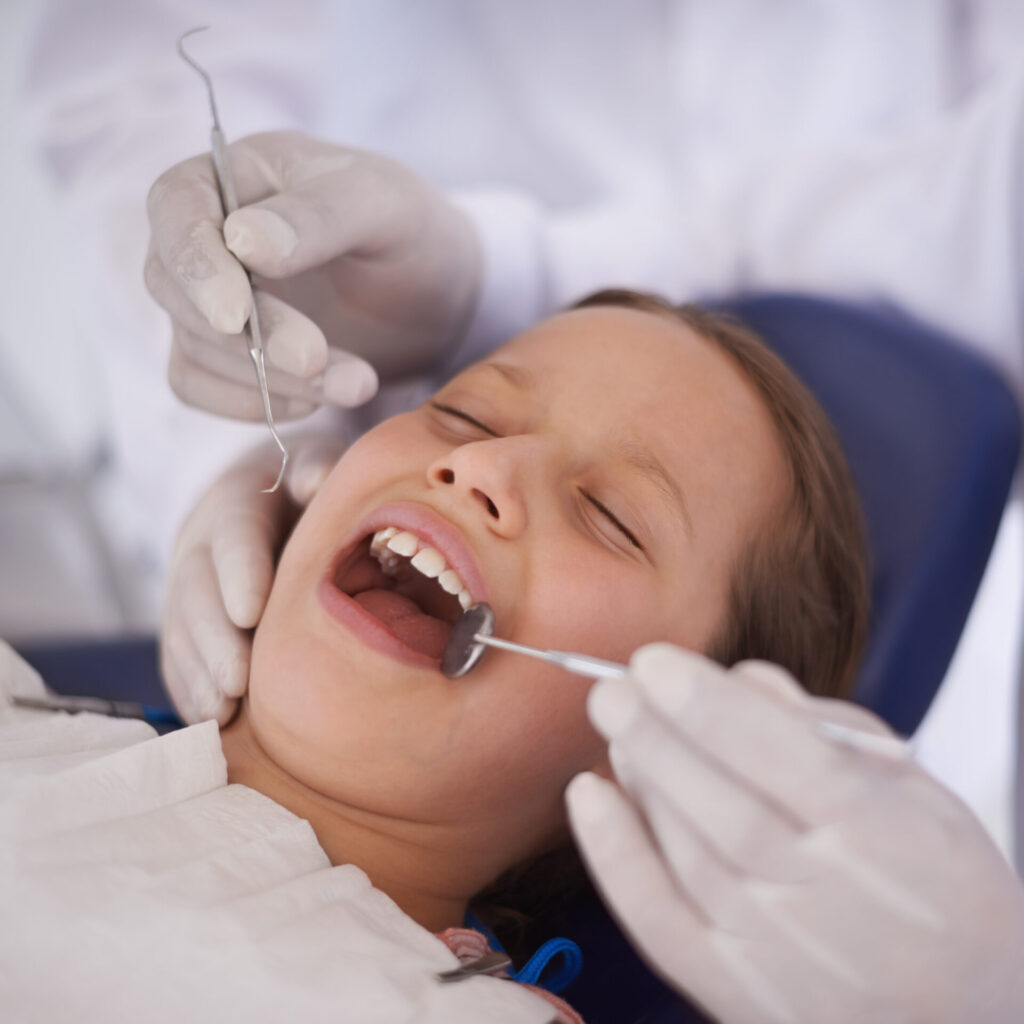
Helping children feel comfortable during dental visits is an important part of paediatric dentistry. Positive early experiences can encourage long-term confidence and reduce dental anxiety as children grow older.
Paediatric dental care often focuses on creating a calm and reassuring environment through:
- Child-friendly communication
- Gentle treatment approaches
- Gradual introductions to procedures
- Positive reinforcement
- Education tailored to children
Building trust and familiarity helps children develop healthier attitudes towards dental care throughout life.
Orthodontic Assessments for Children
Paediatric dentistry may also involve early orthodontic assessments to identify alignment or bite concerns. Monitoring developing teeth allows dentists to recognise potential issues before they progress.
Early orthodontic evaluation may help identify:
- Crowded teeth
- Bite irregularities
- Jaw development concerns
- Crossbites or overbites
- Spacing issues
Some children may benefit from early interceptive treatment designed to guide jaw growth and improve future tooth alignment.
Caring for Children’s Teeth at Home
Good oral hygiene habits at home are essential for maintaining healthy teeth and gums throughout childhood. Parents and caregivers play an important role in supporting daily dental care routines.
Children are generally encouraged to:
- Brush teeth twice daily using fluoride toothpaste
- Limit sugary foods and drinks
- Floss where appropriate
- Attend regular dental check-ups
- Drink plenty of water
- Wear mouthguards during sports where necessary
Supervising brushing and encouraging healthy habits from a young age can contribute to stronger long-term oral health.
Long-Term Benefits of Paediatric Dentistry
Paediatric dentistry supports healthy oral development while helping children establish positive dental habits that continue into adulthood.
Benefits of regular paediatric dental care may include:
- Reduced risk of tooth decay
- Improved oral hygiene habits
- Early detection of dental concerns
- Healthier developing teeth and gums
- Reduced dental anxiety
- Better long-term oral health outcomes
Through preventative care, education and early intervention, paediatric dentistry helps support healthy smiles and confident dental experiences throughout childhood and beyond.